Inside Squared Brackets

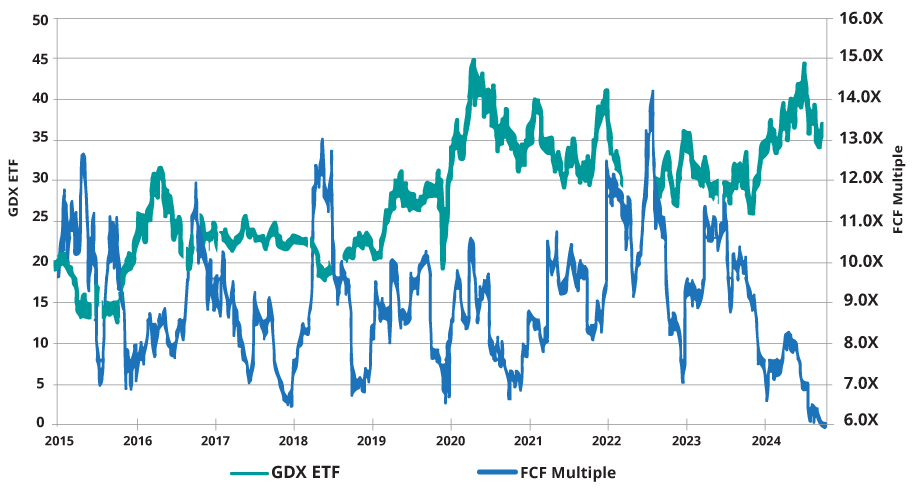
Inside Squared Brackets is where we spotlight the signals shaping markets beneath the surface — through charts, context, and conviction. In this edition, we dig into two striking indicators: the deep value currently seen in gold miners, and a rare macro signal flashing caution — the US Market Cap to GDP ratio breaching historic levels.
JANUARY 20TH: LATE IN THE CYCLE
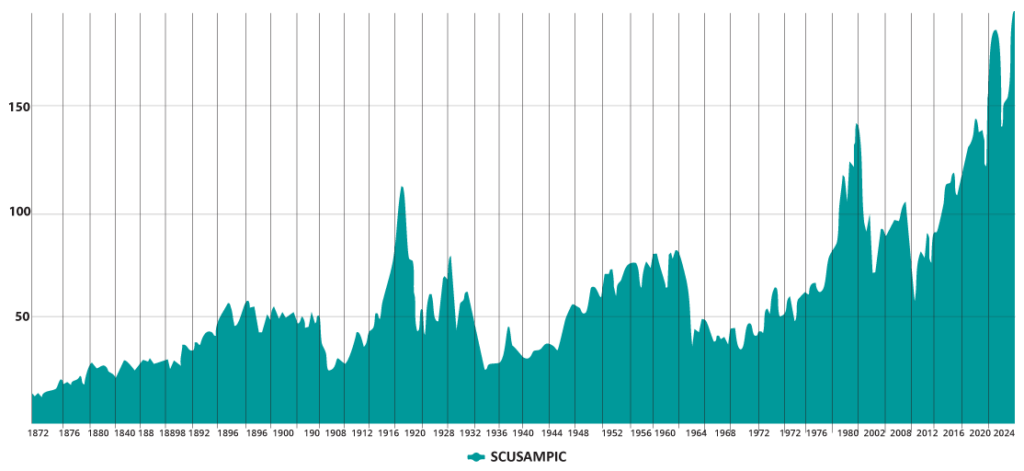
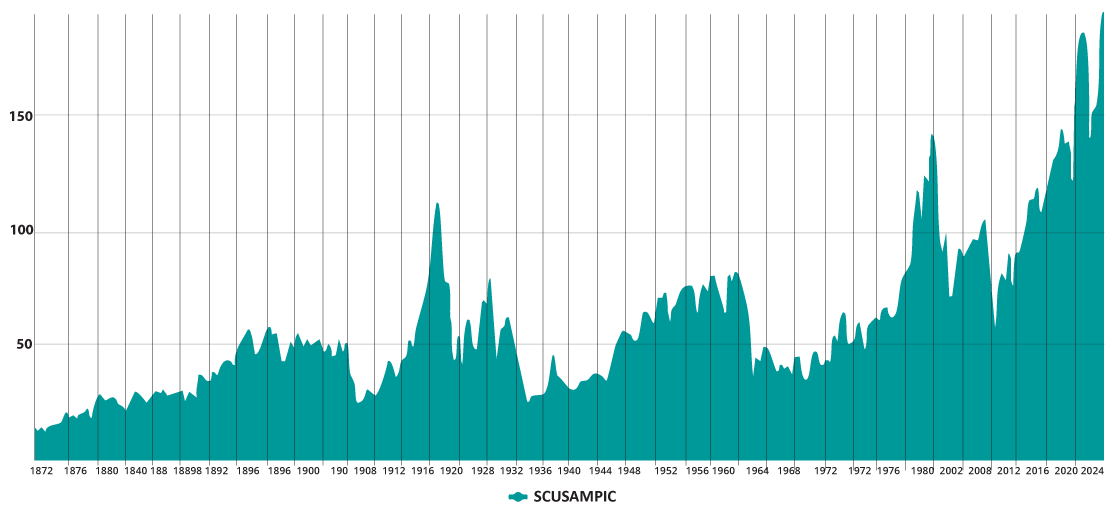
The Market Cap to GDP Ratio gives an indication of how big the financial world has gotten relative to the real one. Previous extremes have often portend of significant set backs in equities ahead.

Most noticeable is that for the first time in history the US stock market capitalisation to GDP ratio has broken through the 200% mark. A reflection of the time we live in with regards to US leadership in global markets, but also the stage we are at in the market cycle.
JANUARY 6TH: LATE IN THE CYCLE
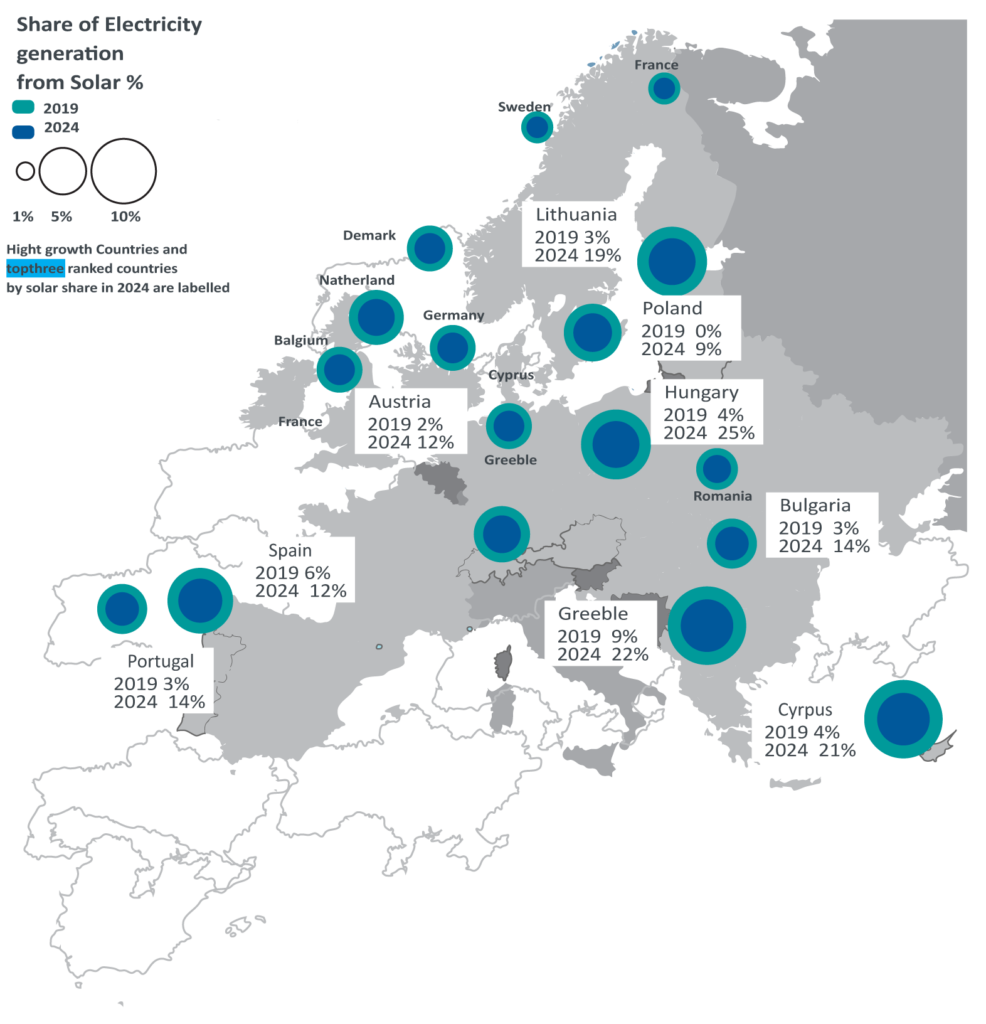
The EU’s solar success story continued in 2024, as the bloc saw a record annual increase in solar generation. In fact, 2024 marked a record annual increase in solar generation, up 54 TWh (+22%) compared to 2023, when solar generation had already increased by 40 TWh compared to 2022. 2024 was also a record year for annual capacity additions: the EU solar fleet grew by 66 GW, equal to over 450,000 panels added per day

An accelerated rollout of batteries and smart electrification will be key to cost-effectively sustaining solar’s impressive growth. Solutions such as batteries and smart electrification are already mature and ready to deploy, but require policy action to reach their full potential.

Last Man Standing

JANUARY 13TH: RUNNING ON FUMES
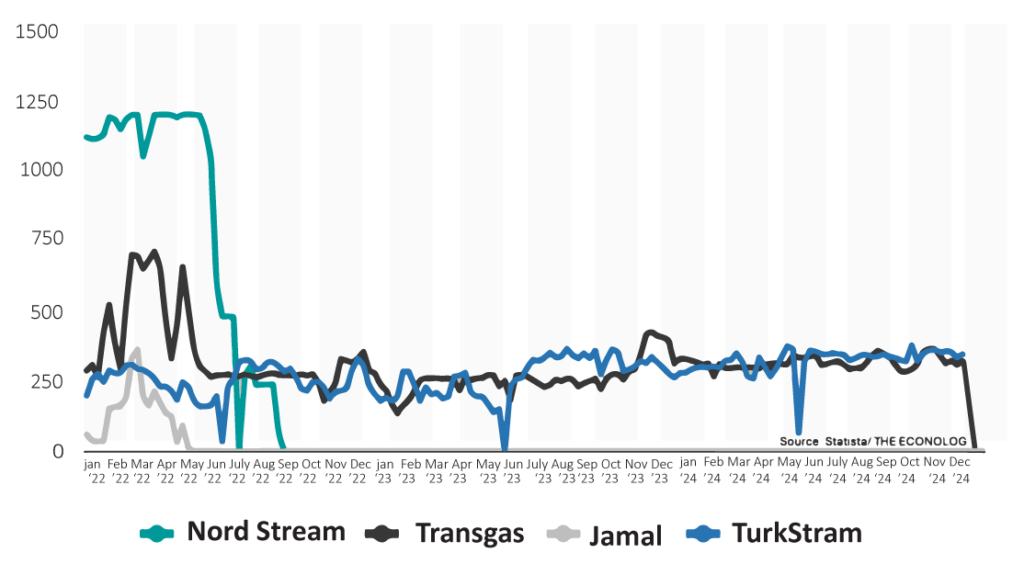
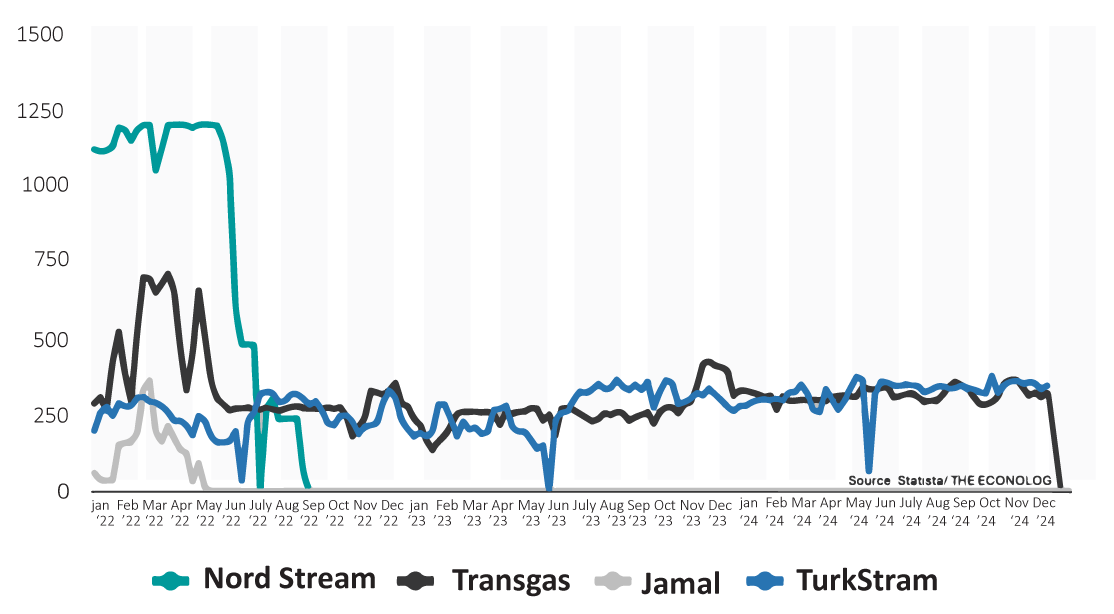
On December 26, 2024, Ukrainian President Volodymyr Zelensky announced he wasn’t going to renew a contract to route Russian gas to Europe. It was another unwelcome surprise for European consumers and companies. The Ukraine route was the last pipeline connecting Russian gas directly to central Europe, delivering about 320 million cubic meters per week to Slovakia, Hungary, and Austria. When the contract expired on January 1, 2025, deliveries dropped to zero.

After shutting down Transgas, TurkStream is the only remaining supplier of Russian gas to Europe.

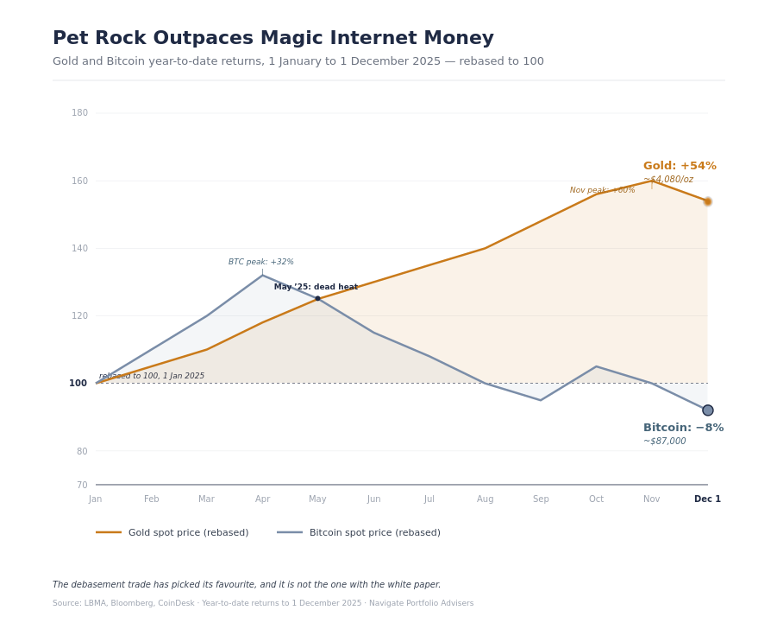
Gold VS Stocks
(Stocks=S&P 500 Index ,including dividends)

DECEMBER 30TH: GOLD VS STOCKS:
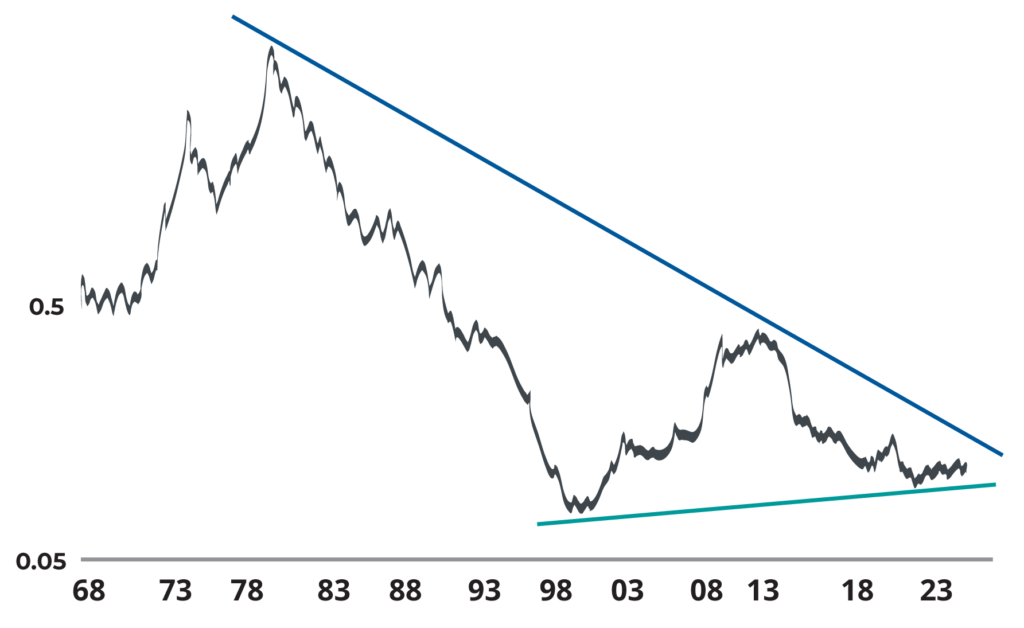
Despite the epic bull run in gold, it’s “only” just kept pace with US equities at the time of writing – circa 26% YTD. Moreover, the below suggests there is still a long way to run. The most likely reason for this chart to turn up (if it does), would be for equities to enter a correction/bear market, and gold to either hold its ground or continue to move higher. These triangle patterns can be very reliable and the longer the time frame, (30 years), the more powerful the signal would be

Countries with the Most Gold

DECEMBER 23RD: REAGANOMICS REDUX
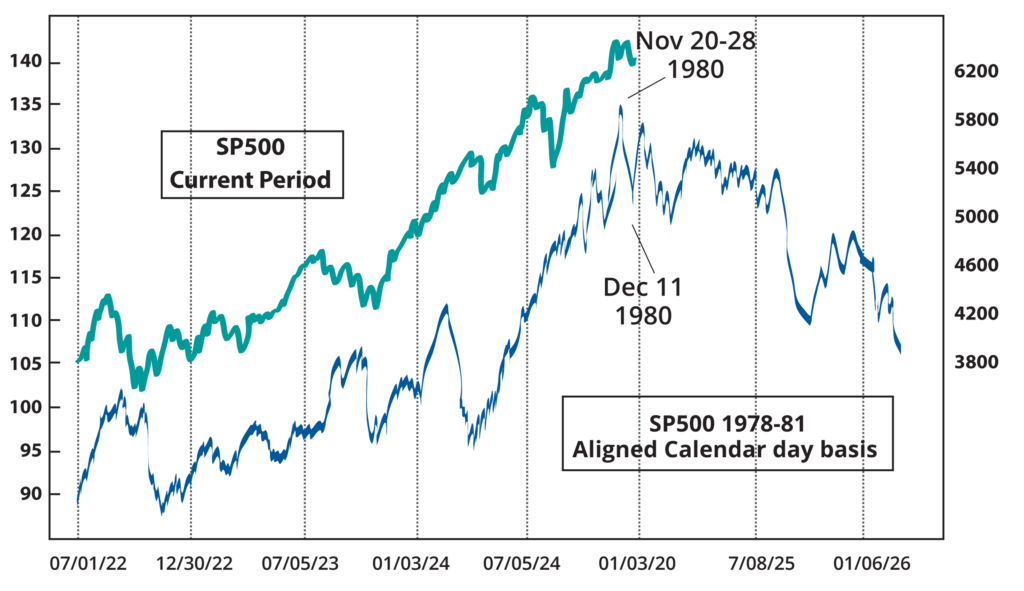
The below sets out an uncanny development – it appears that things are largely following a former Republican presidential beginning. As Jason Goepfort points out: “Reagan’s victory [in 1980] was both anticipated and celebrated by Wall Street, as he was seen as a “transformative” candidate with the promise of solving all of the problems which faced the country then. And Reagan arguably was a transformative president, but the first two years were not a pleasant time to be a stock investor”

WallMart Recession Signal Vs. US Corporate Credit Spreads

DECEMBER 16TH: RECESSION WATCH
While there are no glaring obvious signs of recession right now, there are some indicators alerting us to stay on guard, for example the chart below which shows the relative performance of Walmart vs global luxury stocks. The idea is that staples like Walmart hold up during recession, while luxury stocks suffer from cutbacks in consumer spending. It’s also worthy of note though, that some of the weakness in global luxury stocks may be more of a reflection of the economic slowdown in China (and Europe, not to mention Russia). However, consumer data in the US is undeniably weakening, and credit card delinquencies moving higher suggesting a consumer that is stretched….

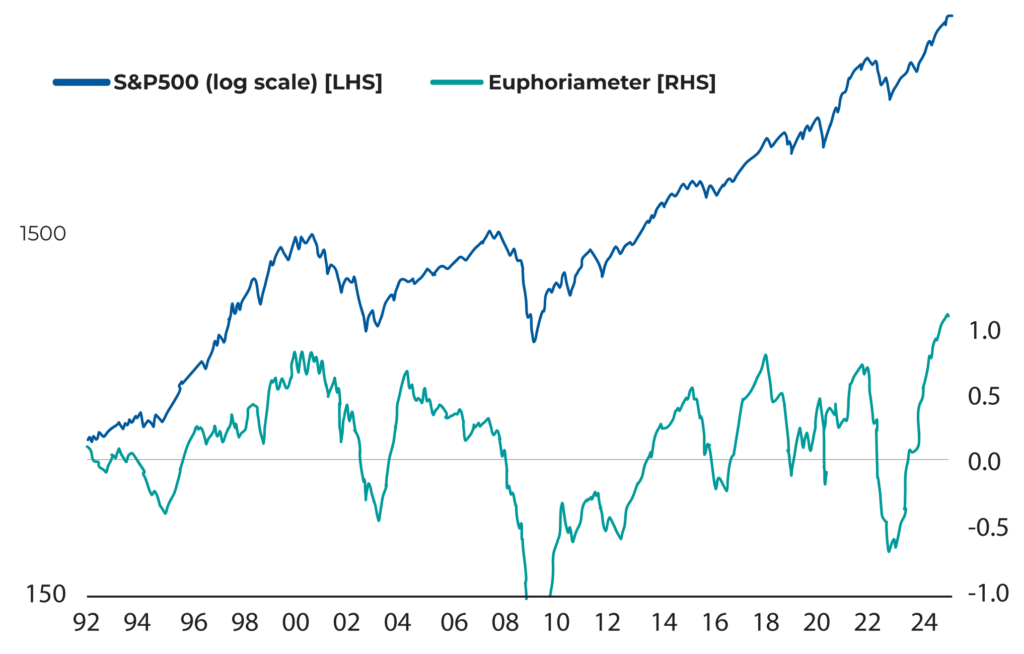
The Euphoriameter
Combination of Forward PE , VIX , Bullish Sentiment

DECEMBER 9TH: BUBBLICIOUS
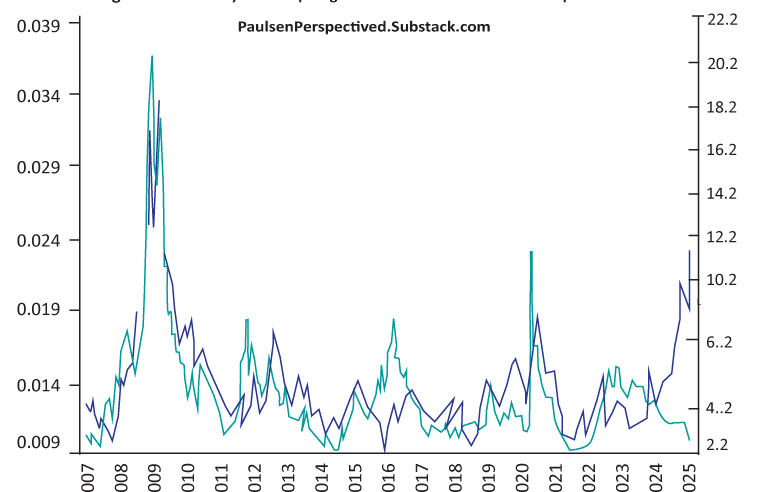
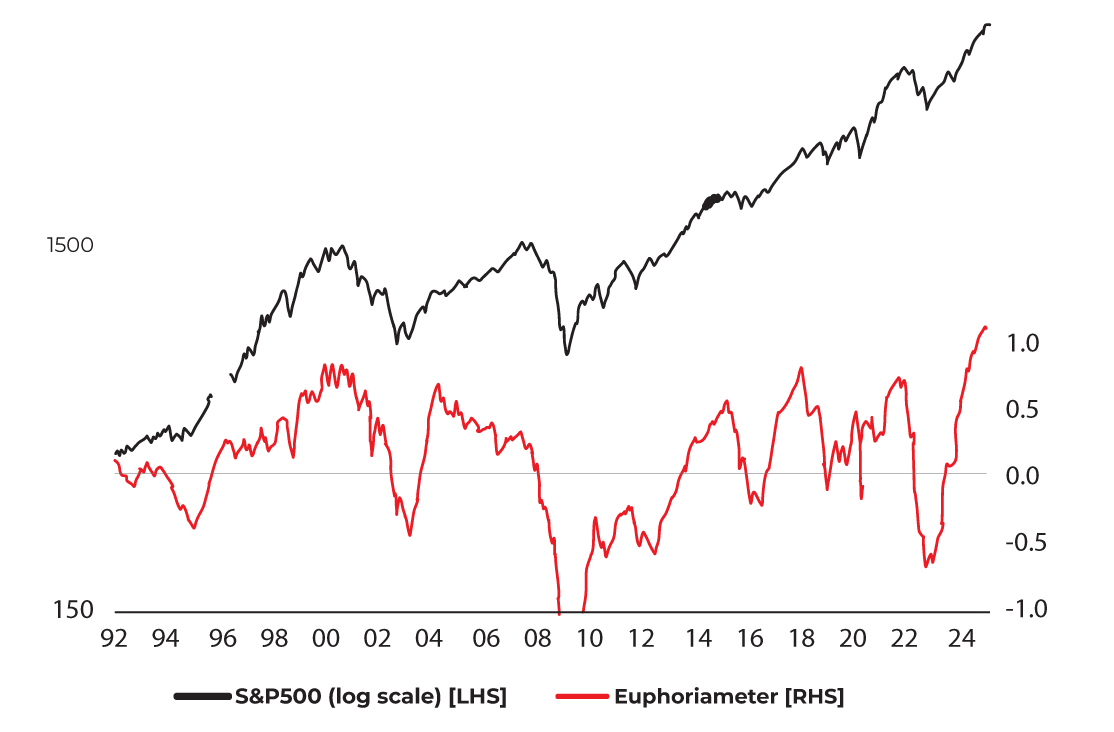
Peak Euphoria: After a string of back-to-back new all-time highs in this indicator, the flash December reading has come in ever so slightly lower than the November reading. One thing to note with indicators like this is that they send the most powerful signals when they reach an extreme and then turnaround — was November a climax in stock market euphoria? The market is more than overdue a reset.

Countries with the Most Gold

NOVEMBER 25TH: GOLDEN HANDCUFFS
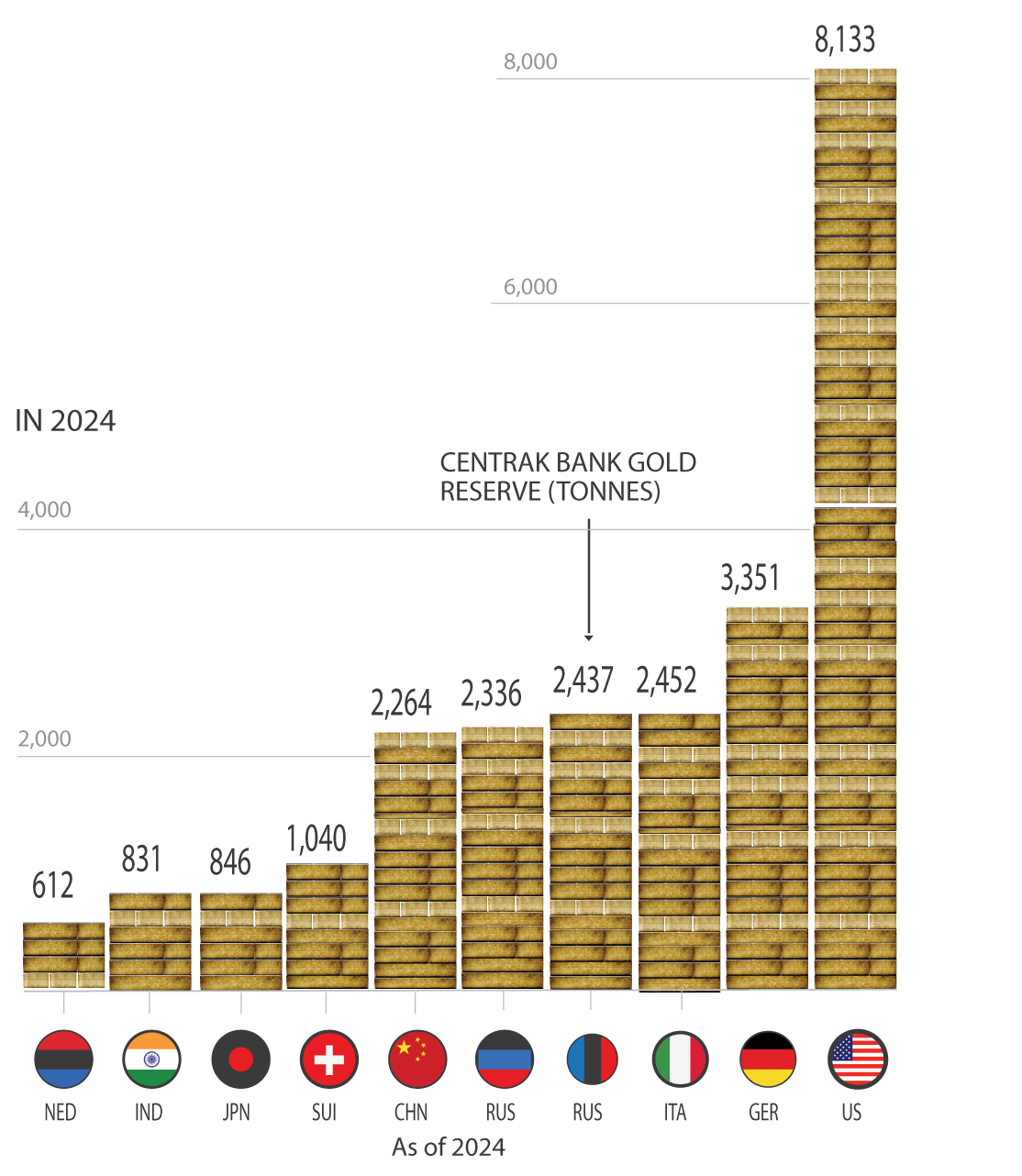
This chart shows the top 10 countries by Central Bank Gold Reserves — while it might be old news for some (and it is May 2024 data), the standout is how even though China + Russia have been important buyers, they still trail well behind the USA and the combined holdings of Eurozone countries. Perhaps the Federal Reserve and Jerome Powell knows something the rest of us don’t.

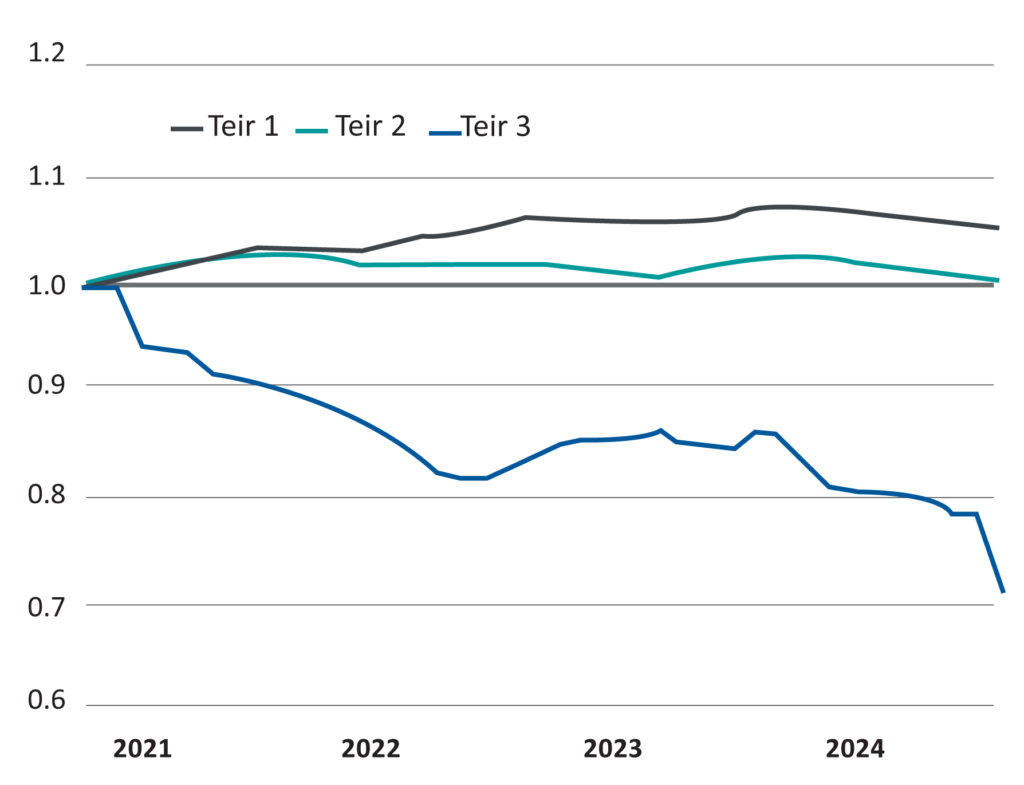
Price Variation
China’s smallar tier 3 Cities have seen the sharpest slide in property prices.
(house price chnages by city ties ; Jan .2021=1)

NOVEMBER 18TH: CHINESE CRACKERS
China’s real estate market continues to concern. Between 2008 and 2023, household debt rose from less than 20% to over 60% of GDP. This development was directly linked to the credit-financed real estate boom, which drove cities such as Beijing and Shanghai into extreme price bubbles. The ratio of house prices to income is now twice as high as in London – an unmistakable sign of overheating. However, the situation is even more serious in the smaller cities, which contribute around 60% of China’s GDP.

How people’s personal wealth is split across assert classes

Based on abran analysis of data from individual countries’ financial accounts. Figures are the latest available data, released in 2023. Cash includes currency deposits and money market funds

NOVEMBER 11TH: DISTRIBUTED LEDGER
A recent report from Abrdn which found that UK adults hold the smallest percentage of their wealth in equities or mutual funds of any G7 country (8%) and that almost half of UK adults think property is a better long-term investment than pensions. That is in stark contrast to UJ households – but perhaps less surprising when the last 15 years of returns of the FTSE 100 vs S&P 500 are taken into consideration.

A new Ottoman Energy Empire?

NOVEMBER 4TH: THE NEW MIDDLE KINGDOM
The notoriously power-hungry president of the country, Recep Tayyip Erdoğan, is in a position to recreate the Ottoman Empire, if not politically then economically: sourcing oil and gas across the Middle East and distributing it to southeastern Europe and up until Hungary and Austria, plus Greece and Italy. Such a strategy will provide Turkey with massive political and economic influence over large parts of Europe. The population belt that stretches from Istanbul to Jakarta could in itself have parallels to that of China’s post 2004 growth explosion.

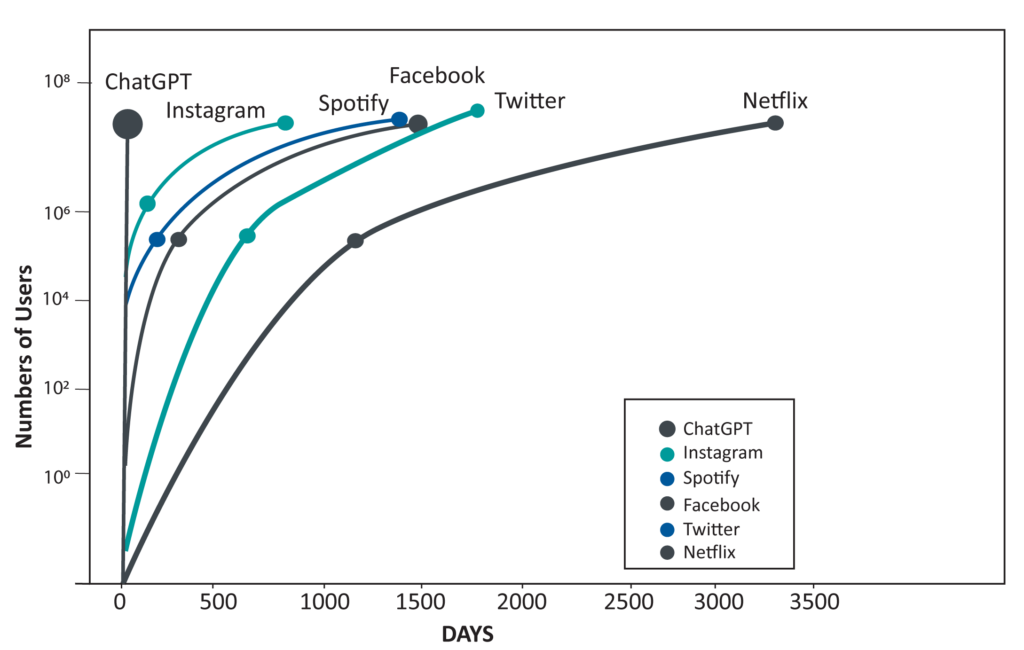
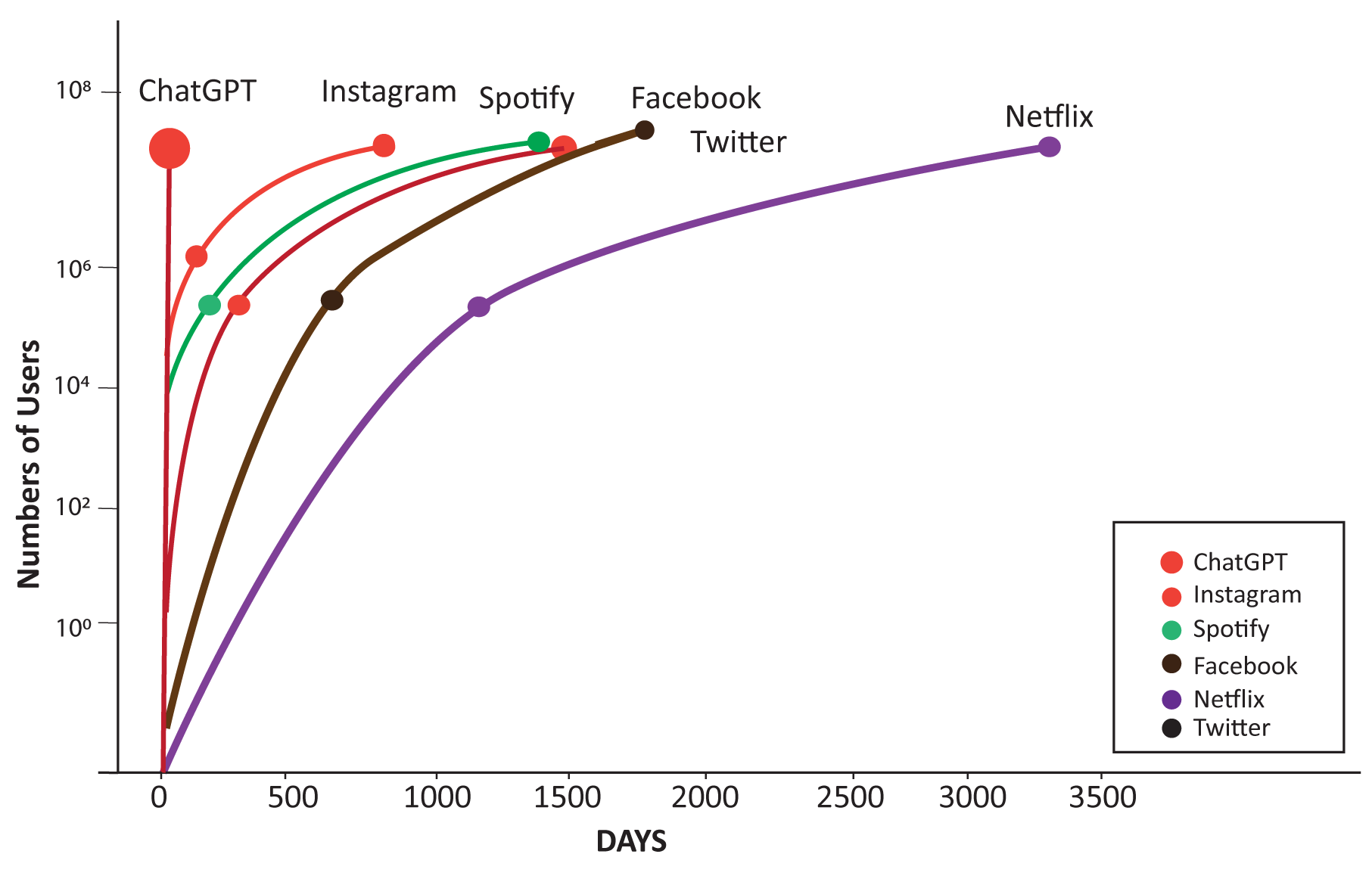
# of days to 1M and users by technology

OCTOBER 28TH: UNPRECEDENTED
ChatGPT has made the term generative AI mainstream. But more importantly, it also saw the fastest user adoption ever, attracting 100 million users in just two months after its launch.

This is clearly a big deal, as we can see the meteoric rise of ChatGPT in the chart below compared to popular applications today like Instagram, Facebook and Netflix. Nothing else is quite like it. This growth was unprecedented.

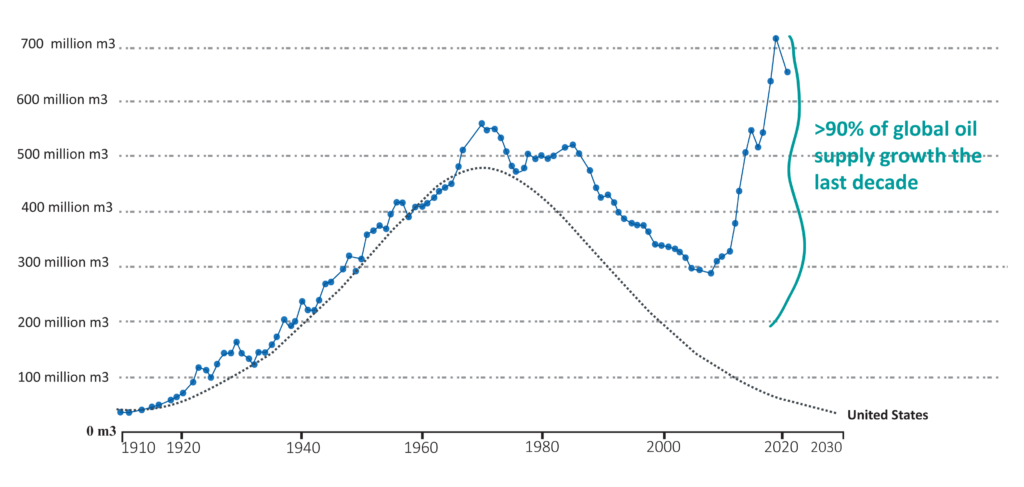
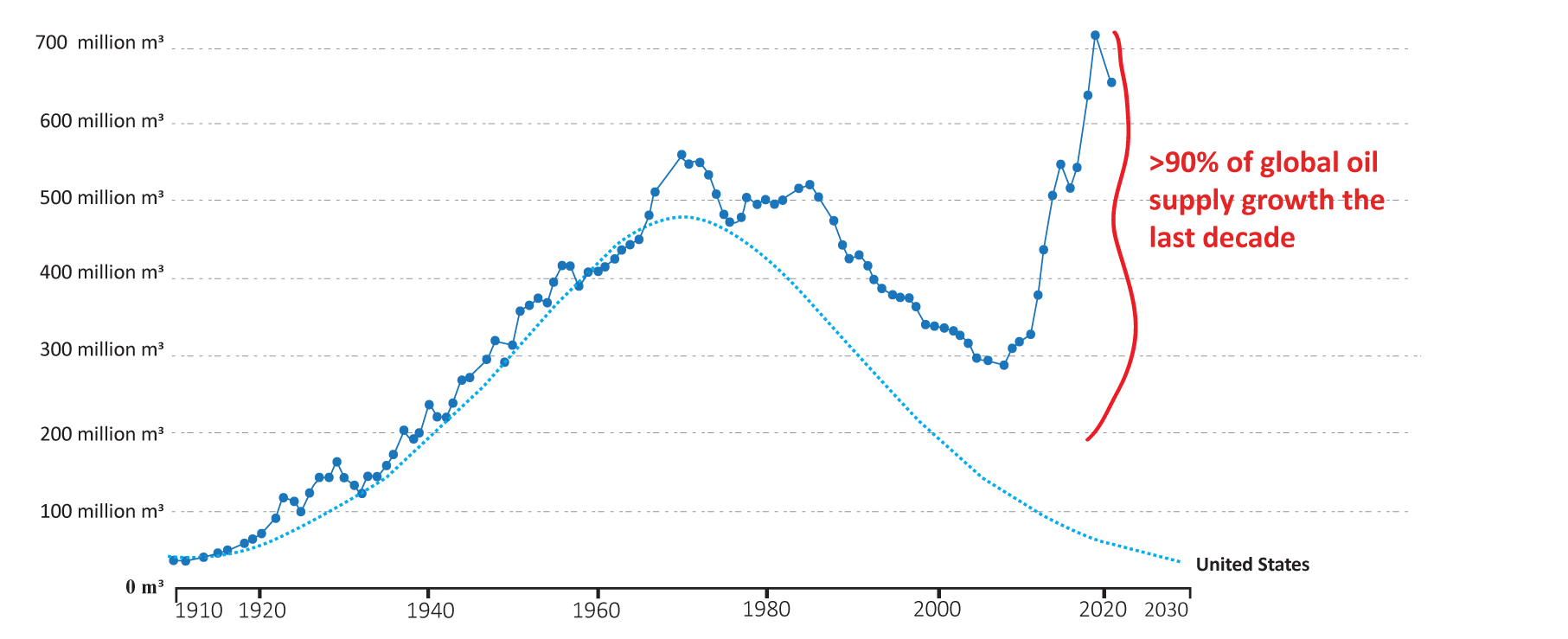
Hubbert’s peak prediction vs. actual oil production in the United States
Hubbert’s hypothesis of peak oil production in the United States, alongside actual oil production trends in the United States, both measured in cubic meters per year.

OCTOBER 21ST: PEAK PREDICTION
It was less than a decade ago, that hands were still wrung as to the foreseeable end of oil supplyies. Replacing conventional oil and gas’s historic decline rate, which fell to 4-5% per annum, was no small task, but the speed by which it arrested – and the implications for the global order, was not seen by many.

Shales’ arrival on the scene was timely, as it plugged the gap that was opening up between conventional supply and demand. What’s less understand was the magnitude – the US shales provided the energy equivalent of two Saudi Arabias with impeccable timing.

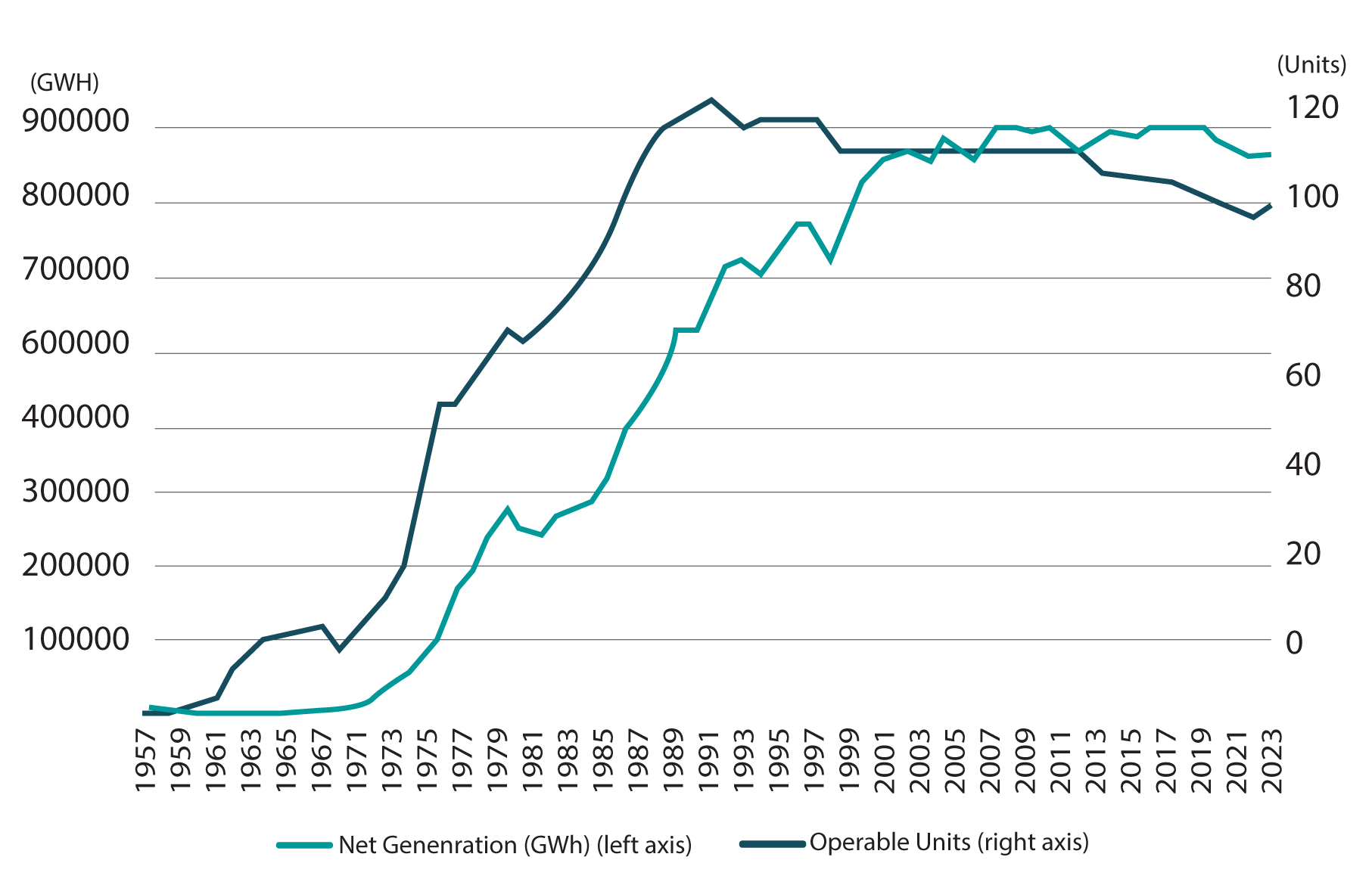
Nuclear Stagnation

OCTOBER 14TH: THE NUCLEAR OPTION
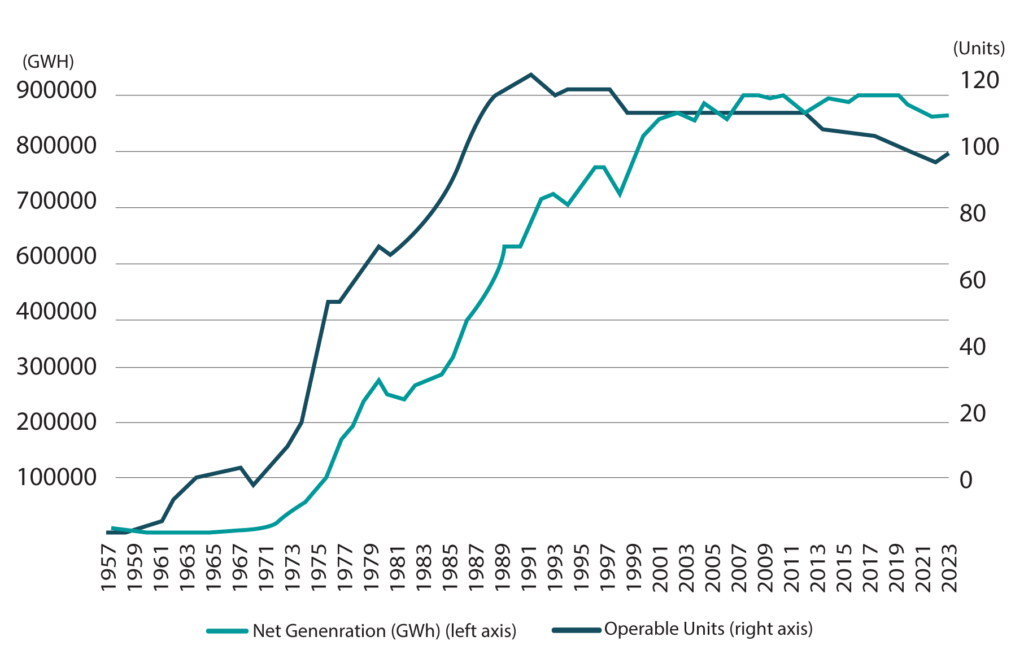
The nuclear power industry in the United States has been stagnant for over thirty years. The number of operable units peaked in 1987 and net generation has been flat since the late 1990s. The average operating U.S. nuclear power plant is 42 years old.

The two most recent new reactors, completed in 2023 and 2024 at Georgia’s Vogtle plant, were not driven by datacenter demands but instead marked the completion of a project than began construction in 2009, delivered fourteen years later at a total cost of over $30 billion for just 2,200MW of generating capacity. Until small nuclear reactors can deliver timely, reliable base load, renewables will continue to account for most load growth.

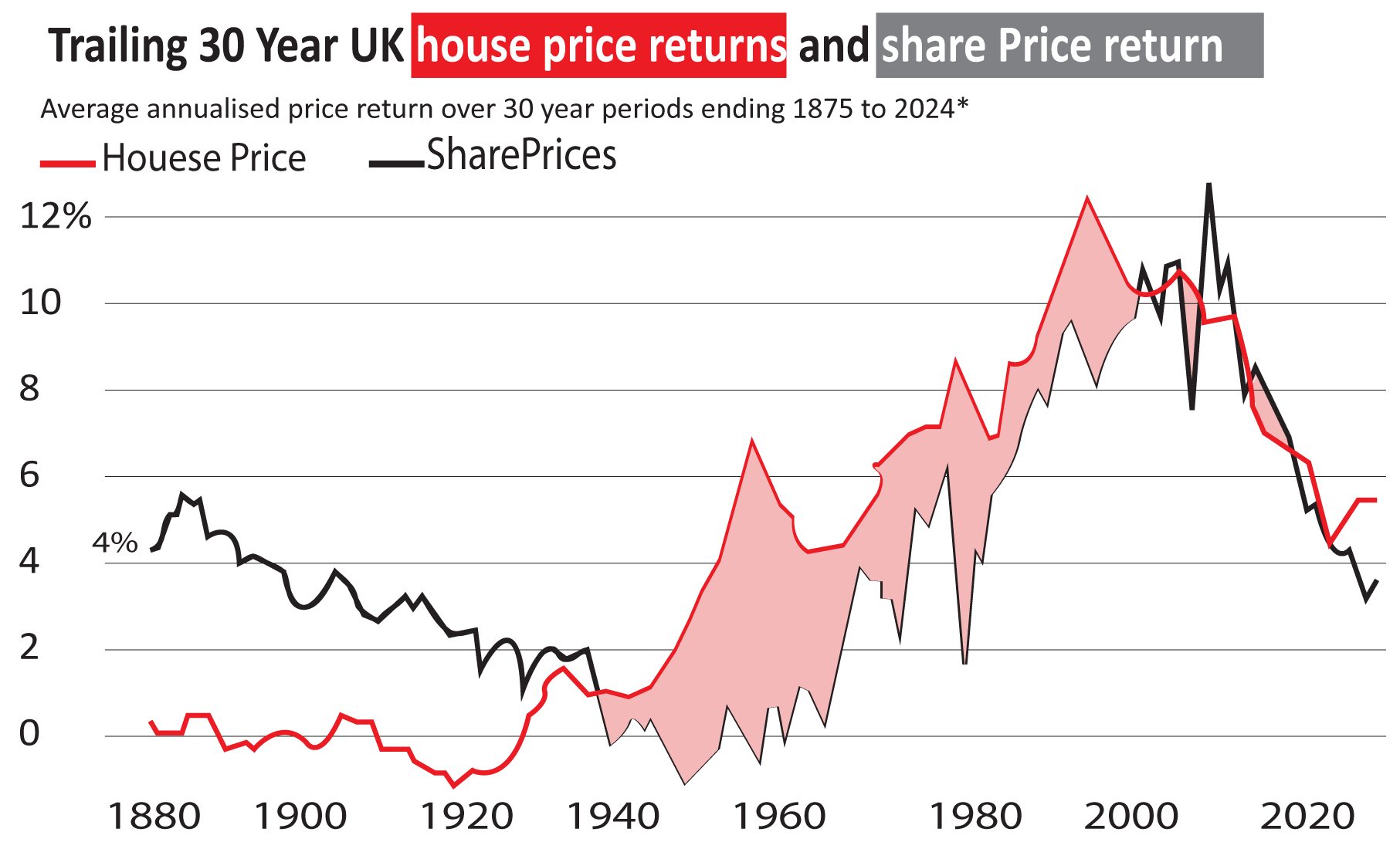
*Data from 1845 to 2015 is from the Bank of England. For 2016 to 2024 the share price series has been extended using price returns of The FTSE All Share Index. House price index has been extended using annual returns from the Land Registry: 2024 house prices are as of October 2024

OCTOBER 7TH: BRICKS AND MORTAR VS UK SHARES
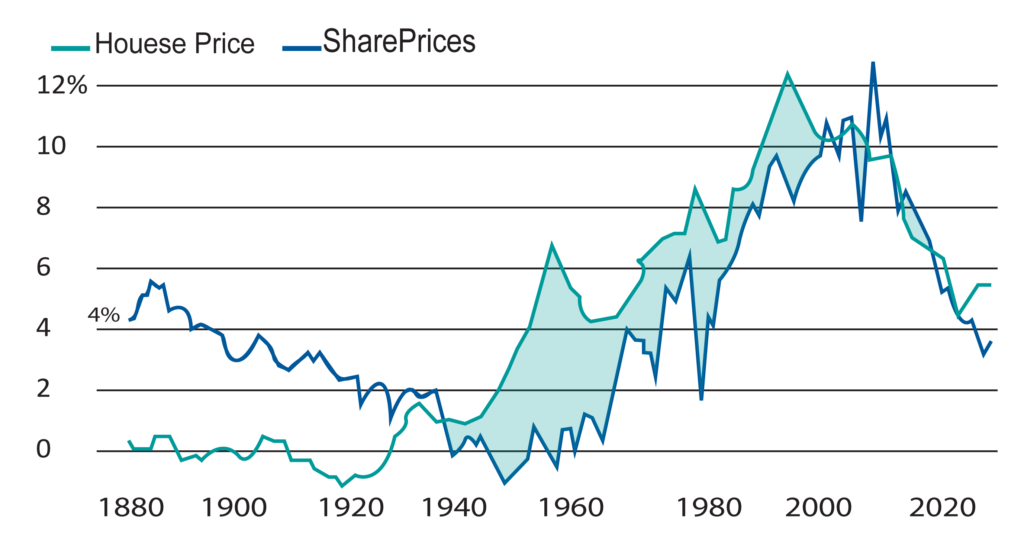
The following considers whether investors are better to hold UK property or UK shares. As we can see, a longer time horizon shows three distinct periods. Share price outperformance in the 19th century, house price outperformance in the 20th, a more mixed picture in the 21st.

We can see how neither house prices nor share prices always go up, even over long time periods (although most of the time they do, and since 1945 they consistently have done, although this doesn’t account for inflation). In that respect the performance of both assets have tracked higher, with trailing 30-year returns rising steadily during the post war period.

Finally, since the turn of the century, 30-year returns for houses and shares have been quite similar, which may reflect the role of falling interest rates in driving all asset prices since the early 1980s.

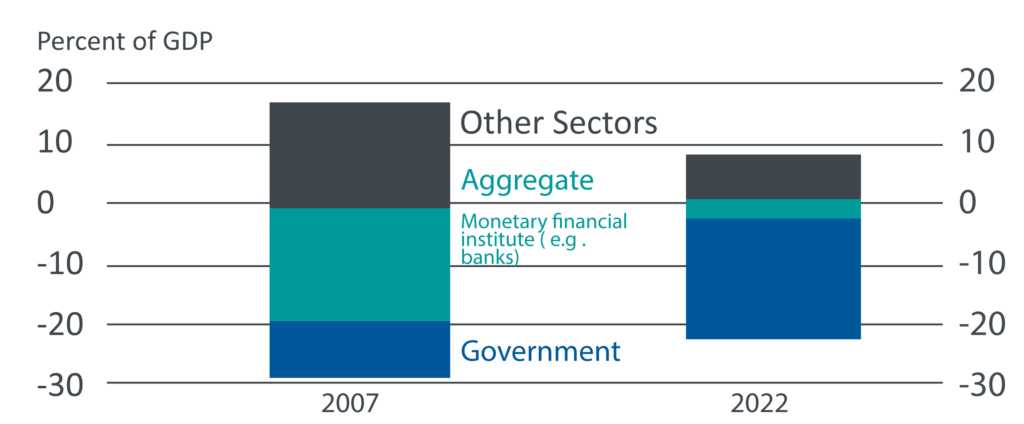
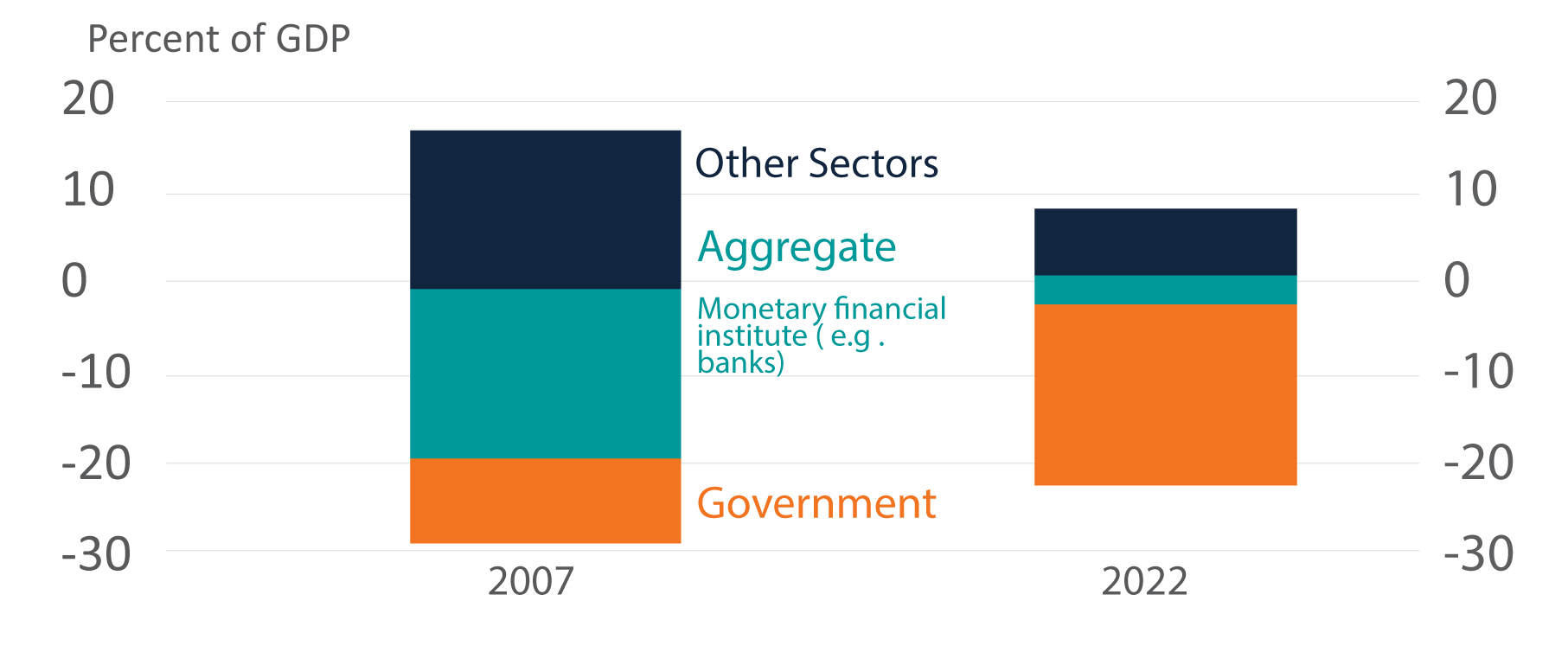
Post Brexit, banks have become a smaller percentage of GDP, and the Government a large proposition, which brings the reliance of Gilts used to fund government spend.

SEPTEMBER 30TH: RELYING ON THE KINDNESS OF STRANGERS
The UK has become increasing dependent on international investors to buy its government bonds. It wasn’t But that changed following the global financial crisis and above all Brexit, as the chart below from the Bank of England’s Bank Underground journal shows. Now if Brits are to continue to live beyond their means, we will need to fund the current account deficit by selling gilts to foreigners.

Energy conversion efficiency
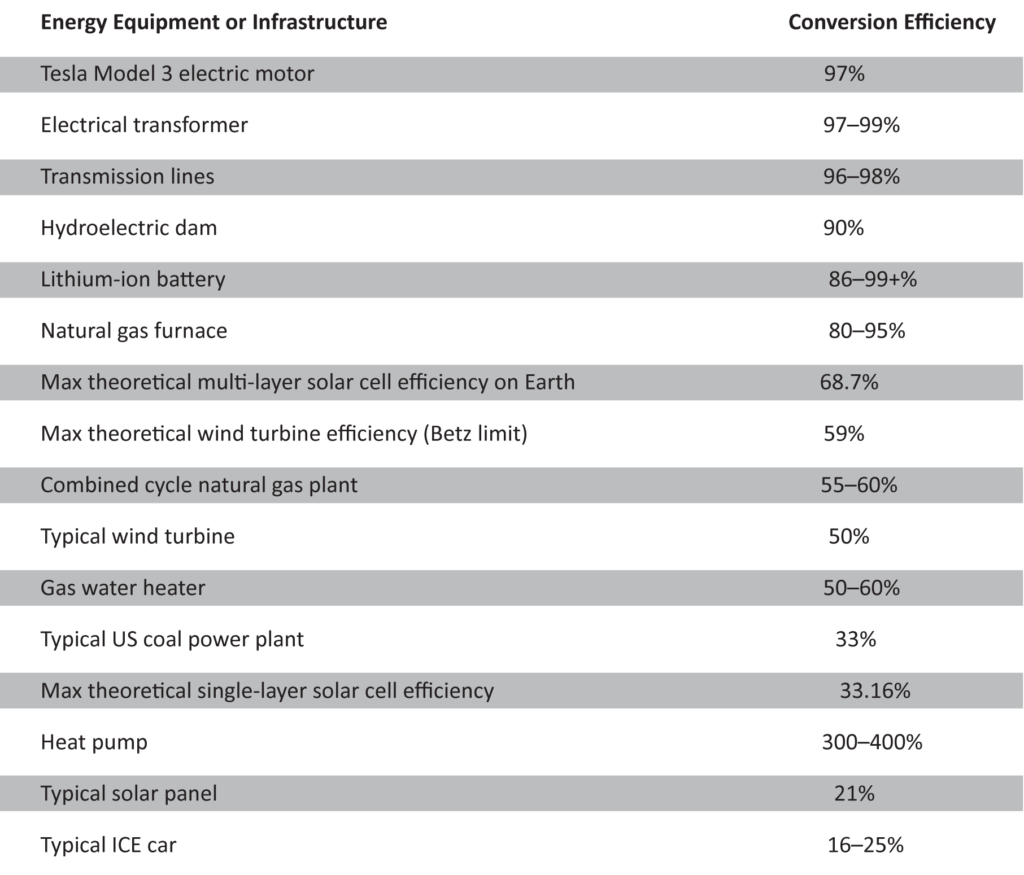
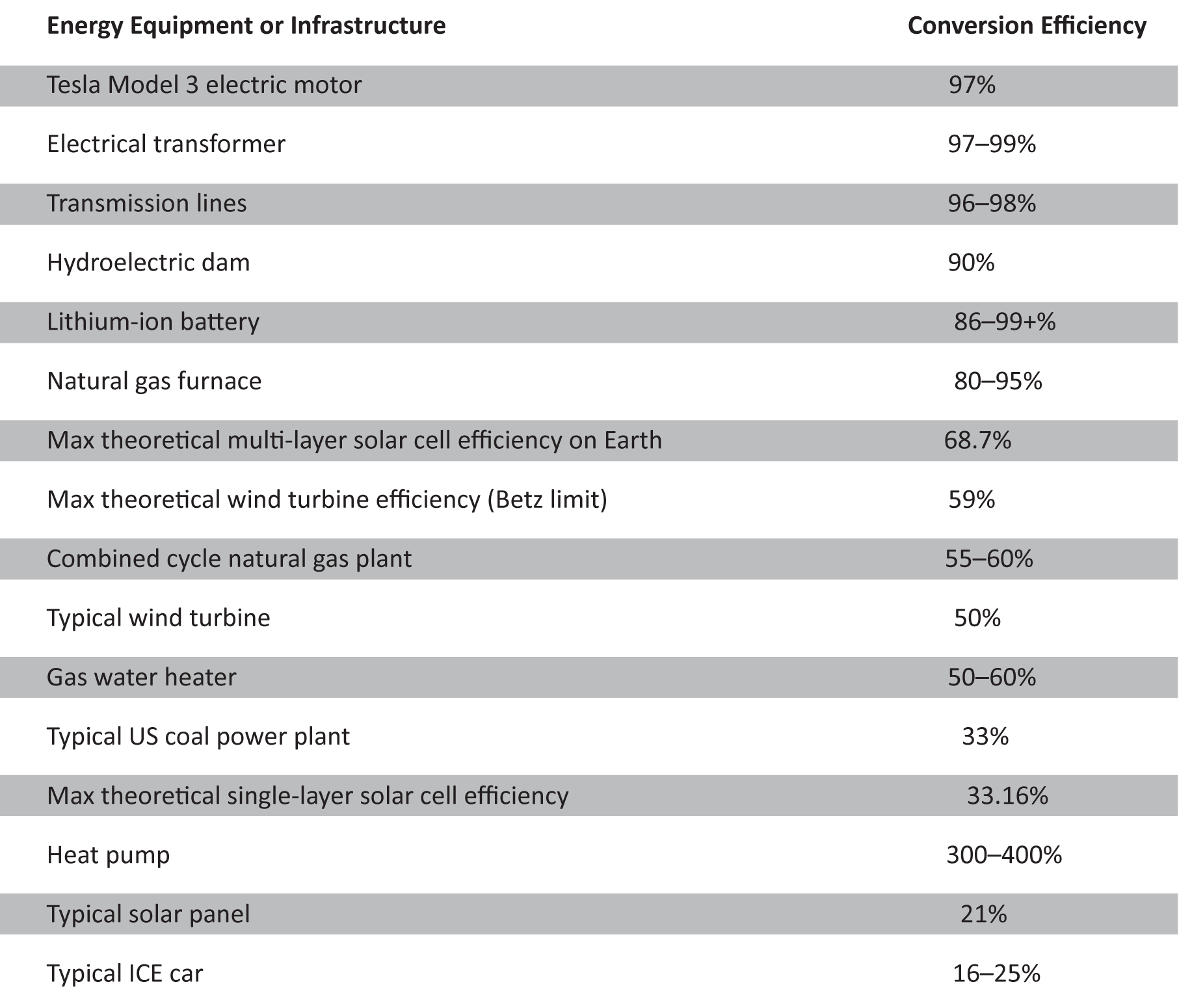
Conversion or transmission efficiencies of various pieces of energy infrastructure.

Source: IFP, ARIA

SEPTEMBER 23RD: ENERGY EFFICIENCIES
Moving electricity along transmission and distribution lines results in losses as some electrical energy gets converted into heat. Electrical transformers, which minimize these losses by transforming electrical energy into high-voltage, low-current before transmission, operate at around 98% efficiency or more.

The table show the conversion efficiencies of various pieces of energy infrastructure: The low thermal efficiency of ICE cars and heat engines in general and the high efficiency of electrical equipment (especially things like heat pumps) are the biggest counterweight to the high energy capacity of hydrocarbons.

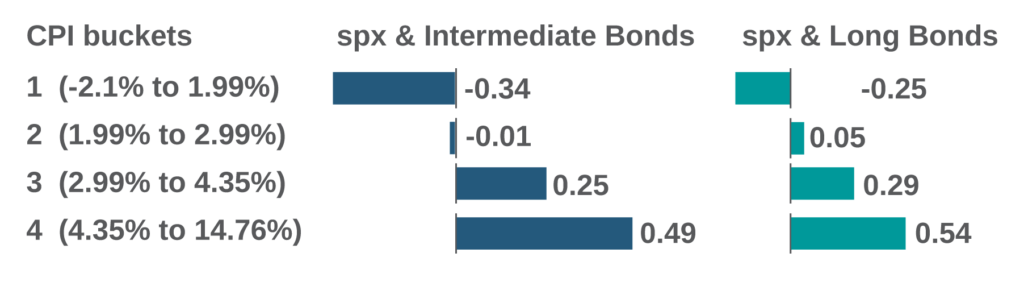
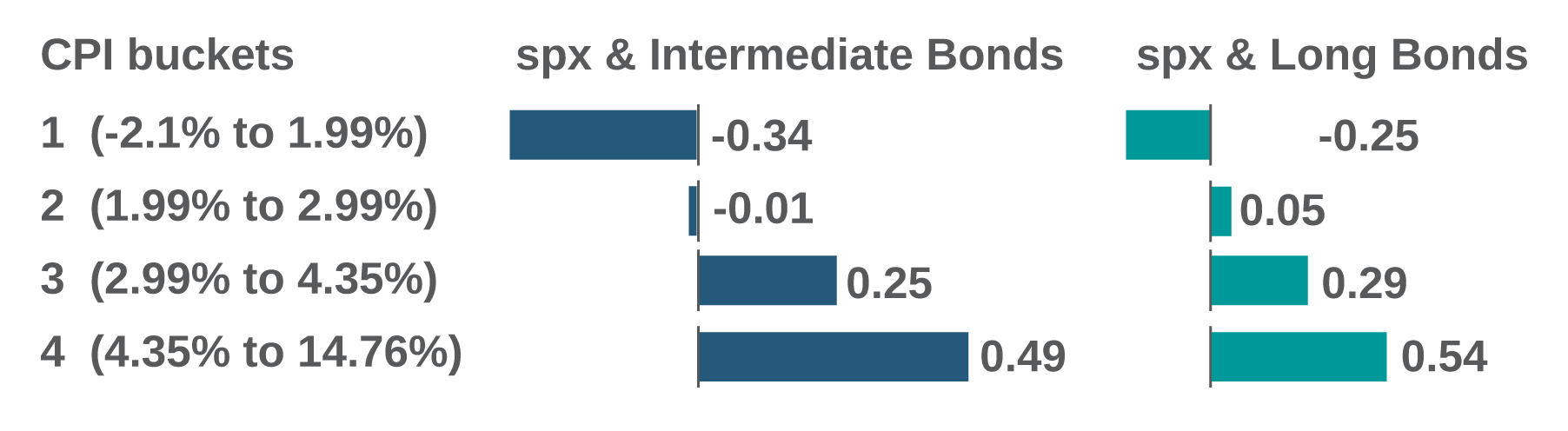
The correlation of stocks and bonds depending on the level of inflation (as measured by the Consumer Price Index – CPI)

Source: Thundersaid Energy

SEPTEMBER 16TH: DEEPER DELVE: THE LEVEL OF INFLATION AND HOW BONDS AND EQUITIES PERFORM IN CONCERT
Bonds and their role as portfolio hedges are pivotal to portfolio asset allocation decisions. However, bonds do not always rally, when equities fall, and vice versa. Instead, the relationship is a little more nuanced than that, and is significantly influenced by how high inflation is. As per the table above, when CPI is below 2% or even negative, stocks and bonds are negatively correlated – giving rise to the 60/40 portfolio and bonds acting as a “portfolio hedge”. When inflation is 2-3%, that relationship breaks down, but beyond that, in highly inflationary times, when inflation is >4.35%, stocks and bonds are positively correlated and it is very tough sledding for both.

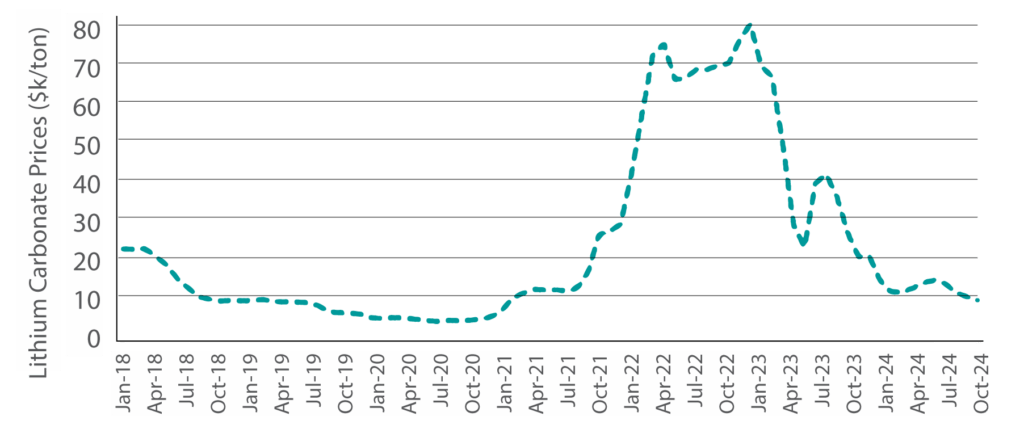
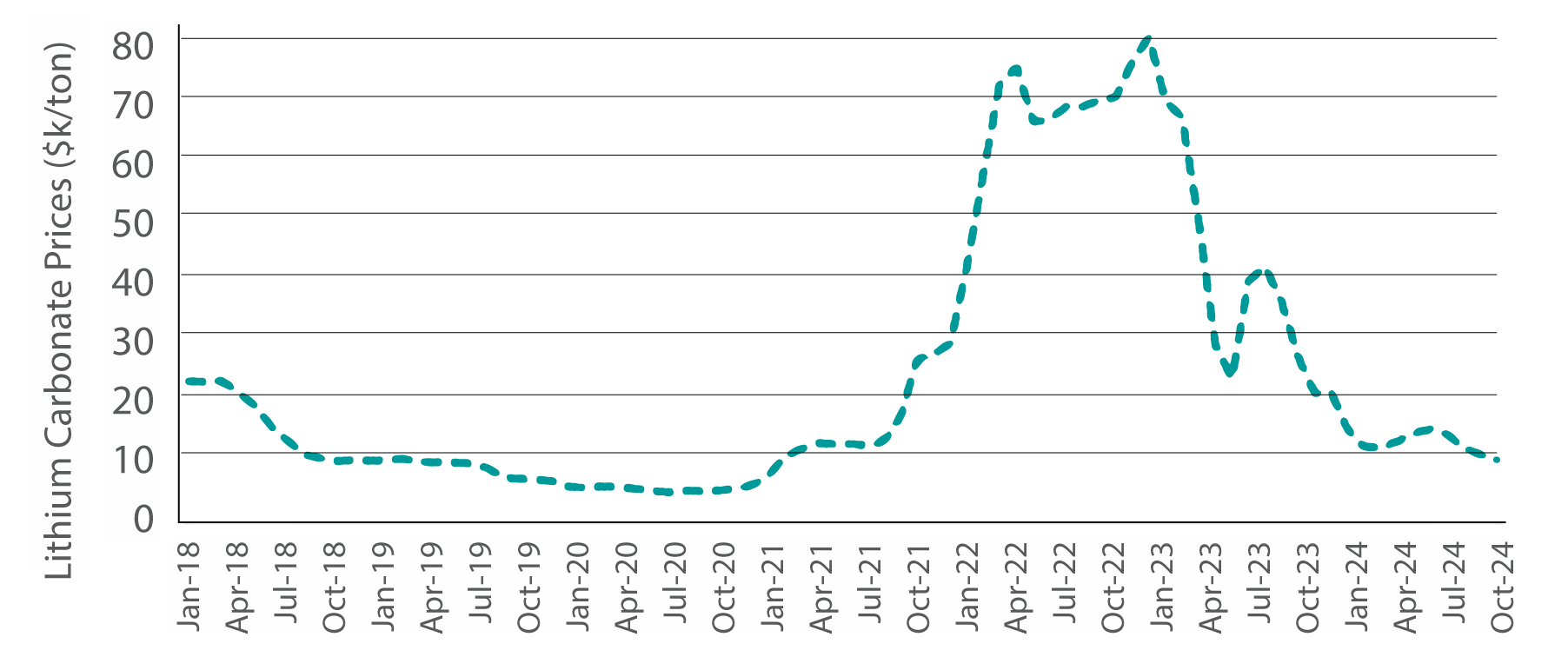
Chinese Lithium carbonate prices have collapsed

Source: Thundersaid Energy

SEPTEMBER 9TH: GLOBAL EV OUTLOOK AND LITHIUM CARBONATE
It’s widely reported that EV sales globally are on a tear. Since 2019 indeed, every year has seen a significant increase. Only in the first quarter of the year, sales grew by 25% compared to the same period in 2023. Moreover, we’re predicted to see 17 million in sales by the end of 2024. Electric cars could account for 20% of total car sales by then. The IEA sees a great growth potential, especially outside of the core markets of China, Europe and the USA.

However, prices for lithium carbonate, (and inevitably heavily influenced by supply), have been going in the other direction – might sales going forwards not be at such a blistering pace?

SEPTEMBER 2ND: ROLLING CORRELATION BETWEEN STOCKS AND BONDS
Bonds have historically been the defenders in the football teams that are portfolios. When equities fells, typically bonds rallied, providing stability in returns. That was the case for 30 years at least, until recently for nearly 30 years. However, before that, we had a 30 year periods were by equities and bonds both rallied and fell together – and during a higher inflationary regime. The question is what is before us? Do we return to a positive correlation, or was Covid inspired supply chain shortages and commensurate inflation, a shorter term diversion.

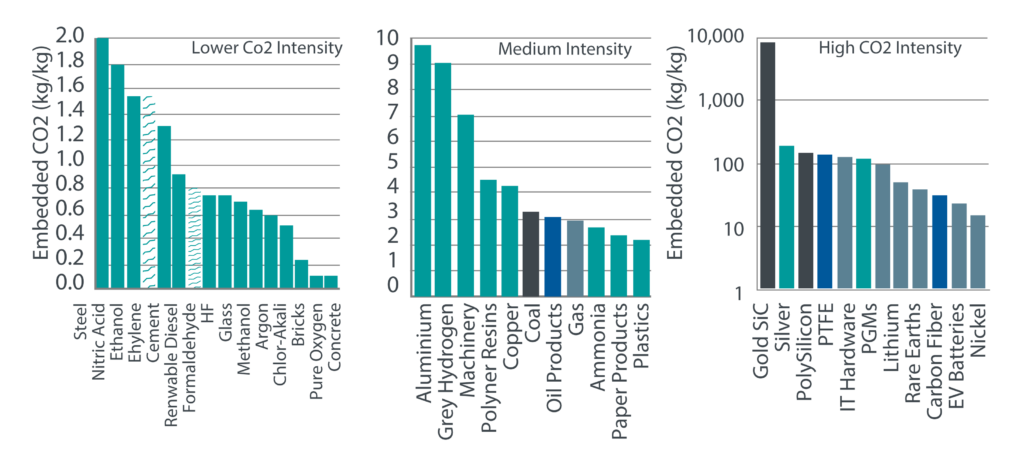
Co2 intensity of materials

Source: Thundersaid Energy

AUGUST 26TH: ENERGY AND CARBON INTENSITY OF EVERYDAY MATERIALS
Comparing the CO2 intensity and energy intensity of materials, many used in our daily lives appear to be ‘less expensive’ in terms of the resources they take to produce. That’s to say when measure in tons/ton of Co2, kWh/ton of electricity and kWh/ton of total energy, EV batteries,. Lithium can be very costly to produce when compared to methanol or concrete

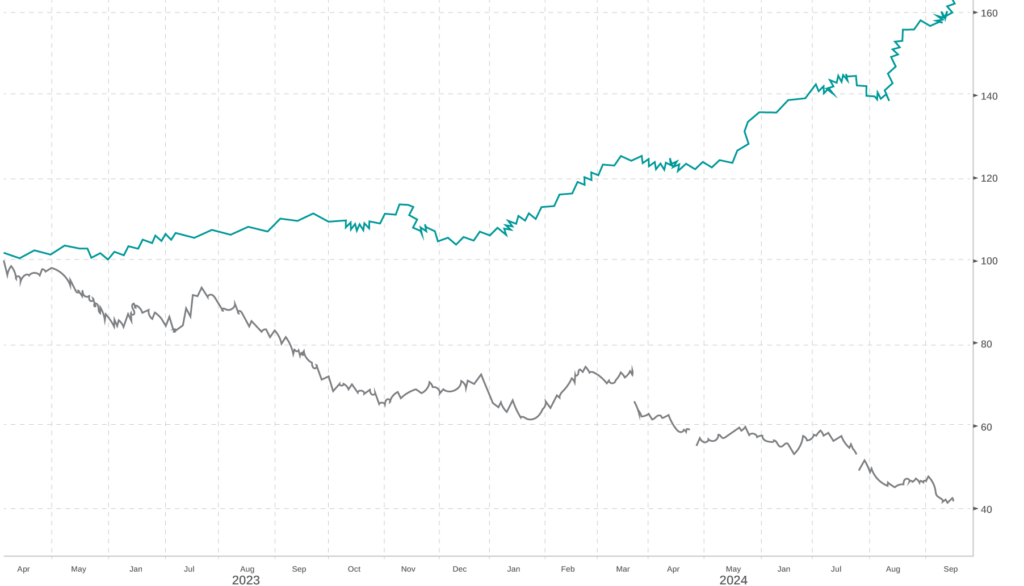
year performance of Kering SA versus Walmart

AUGUST 19TH: THE BEST OF TIMES THE WORST OF TIMES
perhaps if the global slowdown was to be believed, then this would support it. As global consumer perhaps pulls in its horns, Kering SA, listed in the EU and owning brands such as Gucci and Yves Saint Laurent has a had tough time compared to Walmart in the US – a discount retailer known for its miserly prices.

Grains, Metals, Gold and Crude Oil – performance in cutting cycles

AUGUST 5TH: LOWER RATES, HIGHER COMMODITIES?
It’s often held that as interest rates are lowered by Central Banks, and particularly in respect of the US Federal Reserve and the green back, commodity prices rally – alongside other asset classes such as bonds and property. During the last three cutting cycles – show where the purple line is falling 2001, 2008 and 2020 grains, oil, metals and Gold have all responded differently. Of course, each cycle has had different rationales for lower rates. Most obviously gold seems to respond to lower interest rates most positively, yet oil and metals, tied to the economic cycle are less likely to benefit, as having fallen in each period of lower interest rates.

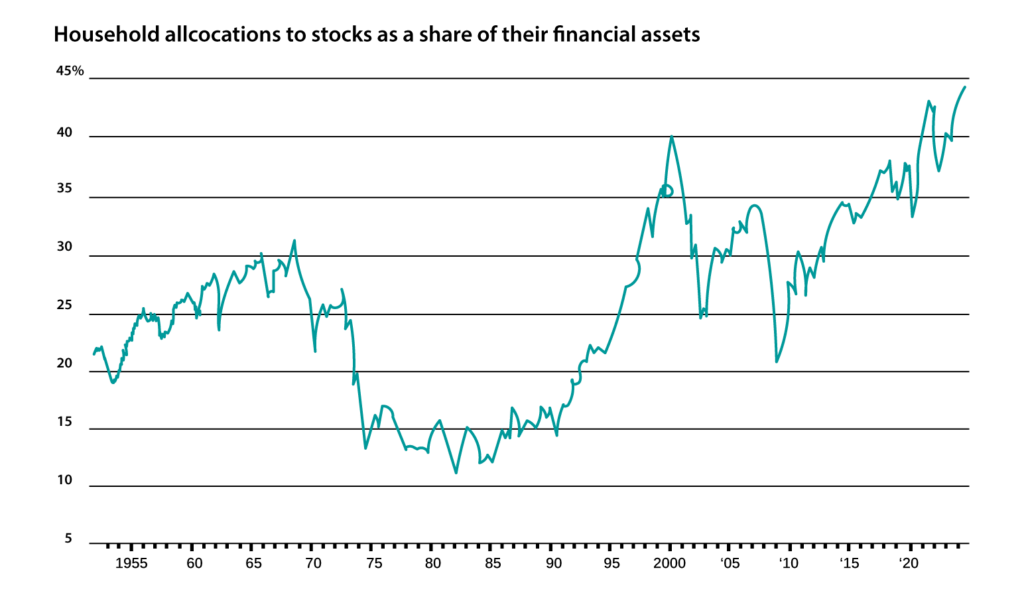
JULY 29TH: NEARING THE END OF THE BULL? OR SIGNIFICANT GAINS AHEAD?
Household stock allocations have reached an all-time-a clear sign that the bull market, ongoing sine 2009, may be in its absolute late stage.

Source: ARIA

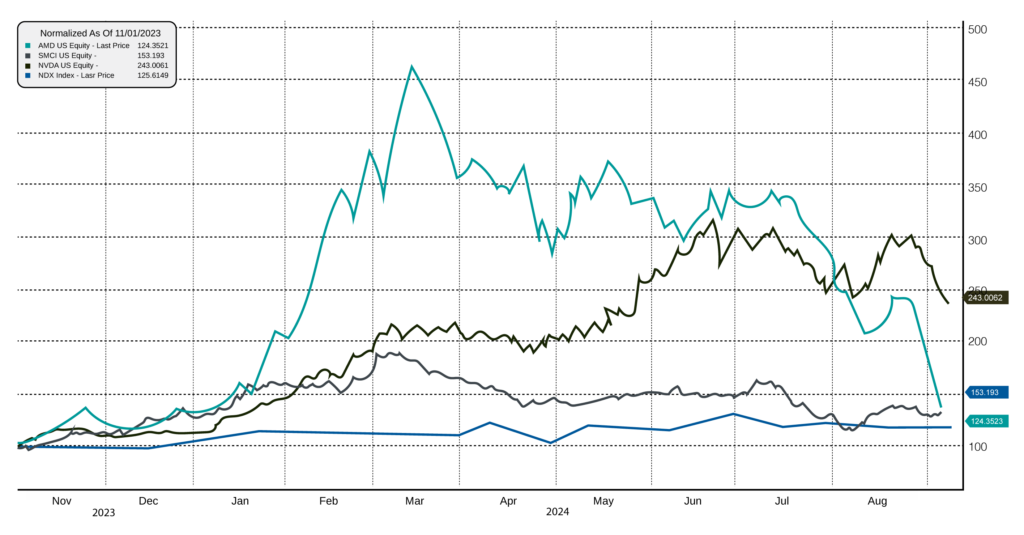
JULY 23RD: DIGITAL DOMINOES
Chart showing 2024 YTD price action and AMD, SMCI, NVIDIA and ultimately the Nasdaq topping in sequence.

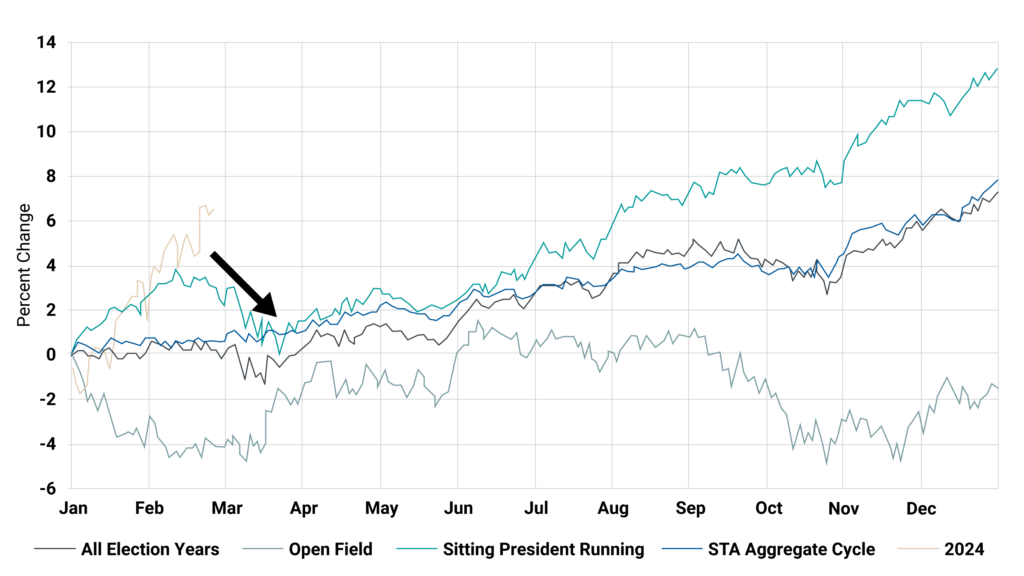
Seasonal Patterns in Election Years

Source: Almanac Trader, ARIA

JULY 15TH: HISTORICAL ELECTION YEAR PATTERNS
Historically, ‘Sitting President Running’ Election years are strong performers, and 2024 has been no exception. The seasonal pattern below confirms just that. However, with now a greater degree of uncertainty, it is very possible that we fall into the ‘open field’ pattern as recorded below as the Democrats look to switch their Presidential candidate.

Performance and valuation discrepancies between defensive and growth sectors is at an extreme

Source: ARIA, Bloomberg

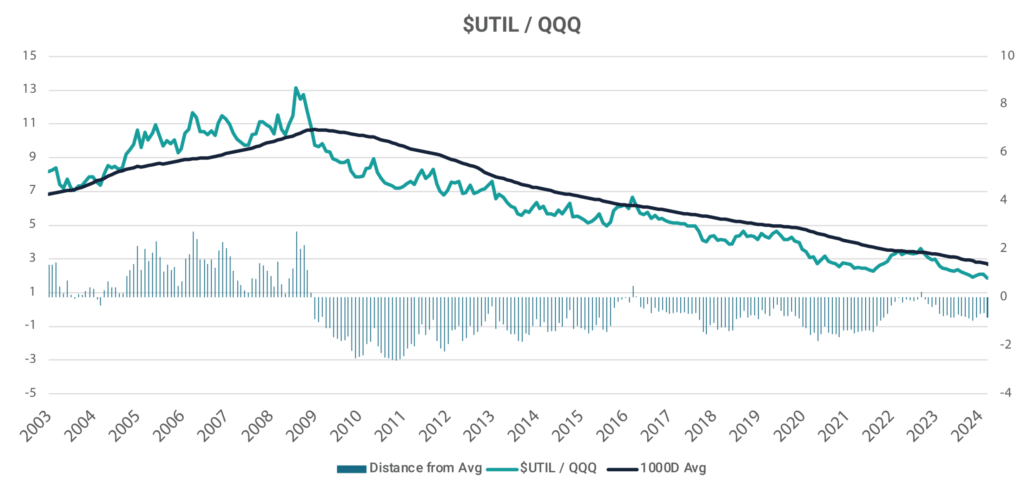
JULY 8TH: EXTREME RELATIVE OVERVALUATION IN TECH VERSUS DEFENSIVE EQUITY SECTORS
Such asset allocation changes include utilities and consumer staples sectors, which have been out of favour for some time. The below chart shows perhaps that that tide has turned, and specifically markets may for a period of time take on a more defensive leadership. A housing and retail led slowdown is long overdue.

US Federal Reserve Balance Sheet as Percentage of GDP

Source: ARIA, Bloomberg

JULY 8TH: EXTREME RELATIVE OVERVALUATION IN TECH VERSUS DEFENSIVE EQUITY SECTORS
Such asset allocation changes include utilities and consumer staples sectors, which have been out of favour for some time. The below chart shows perhaps that that tide has turned, and specifically markets may for a period of time take on a more defensive leadership. A housing and retail led slowdown is long overdue.

Source: ARIA

JULY 8TH: FED HAS COMPLETED ITS LIQUIDITY DRAIN.
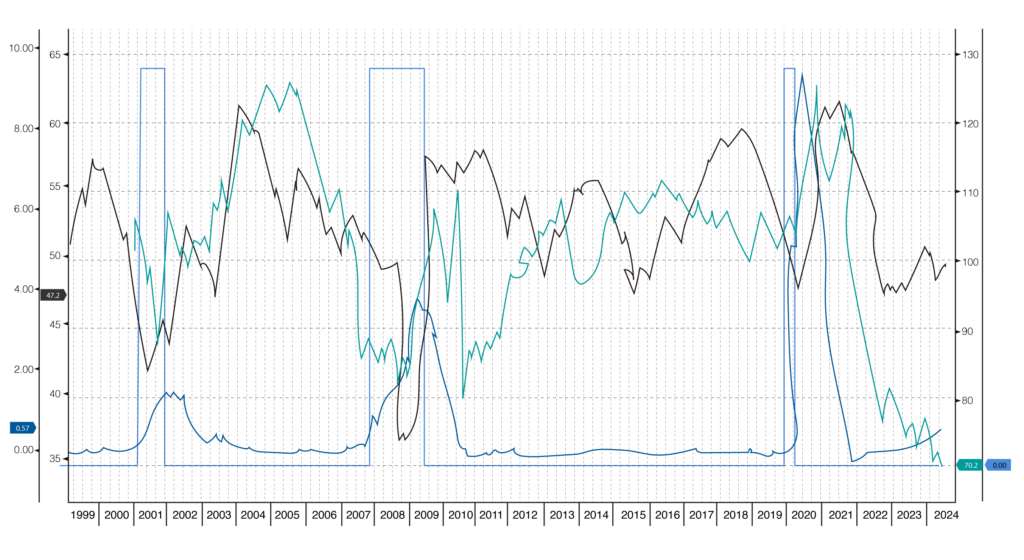
Whilst central banks have been reducing their post pandemic bloated balance sheets, it has been for governments and fiscal policy to do the stimulus heavy lifting. In fact, the US Federal Reserves’ monetary support, as a percentage of GDP, is now back to pre-COVID levels, although massive infrastructure spend has offset the removal of central bank’s monetary support, and kept nominal growth upbeat.

Quad Positioning

Source: ARIA

JULY 1ST: REGIME CHANGE
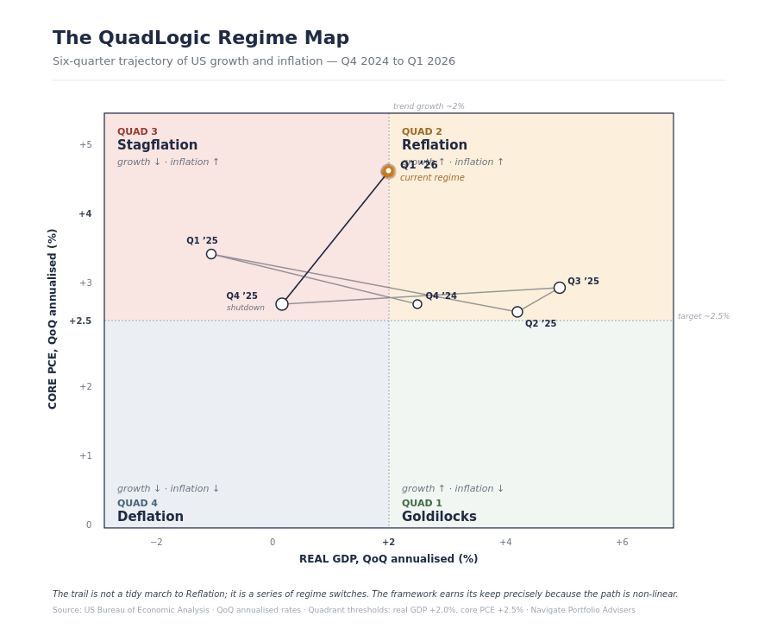
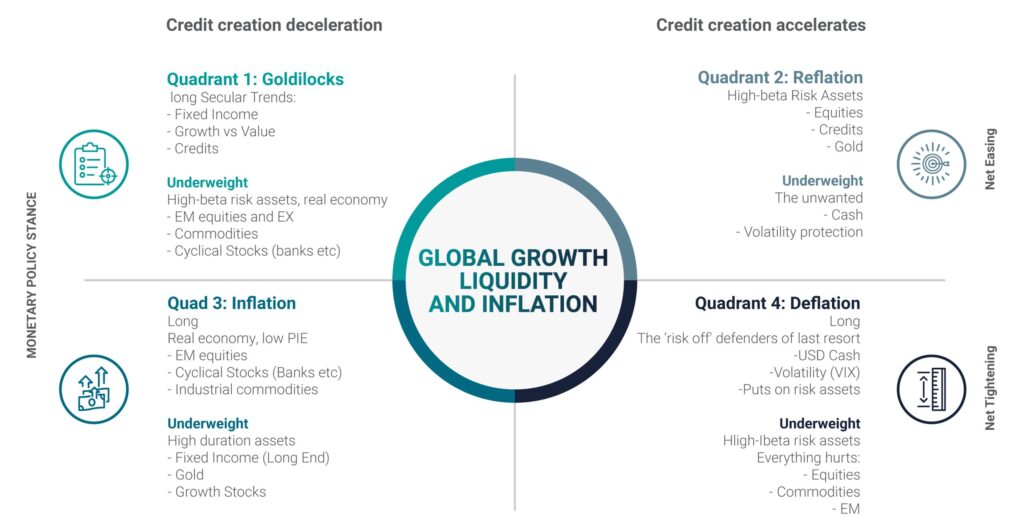
Our forwards looking macro regime investing approach, which uses growth, inflation and liquidity as a macro compass, helps to determine which of the four quads or market regimes – goldilocks, reflation, deflation or decline, best describe the current market conditions. We then reflect in our portfolio’s, asset allocations sympathetic to which quad we sit in. Each quad as you can see below has historically favoured certain assets. Our data indicates a move from Reflation back to Goldilocks – although favouring defensive low growth sectors such as utilities, consumer staples.

Source: Bloomberg, Apollo Chief Economist, ARIA

JUNE 24TH: 2024’S AI MINI BOOM NOW OUTSHINES THE TMT BOOM OF 2000
To what degree are we witnessing a ‘mania’? As the poster boy for the bull market, NVIDIA’s recent price action is parabolic and a trend ending signal. By some historical benchmarks, such as valuation metrics, the AI bubble is bigger than its TMT brethren in 2000. AI companies have raised billions, and have spent billions on a capex cycle, creating the demand for Nvidia’s chips. As we stand, many are still awaiting a product to match the capital committed to date.

Source: Bloomberg, Apollo Chief Economist, ARIA

JUNE 17TH: AI VERSUS TMT BOOM ANALOG
To what degree are we witnessing a AI fuelled stock market ‘mania’? By some historical benchmarks, such as valuation metrics, the AI bubble is bigger than its TMT brethren in 2000. AI companies have raised billions, and have spent billions on a capex cycle, creating the demand for Nvidia’s chips. As we stand, many are still awaiting a product to match the capital committed to date.

Source: ARIA, Bloomberg

JUNE 10TH: AFRICA’S DECADE
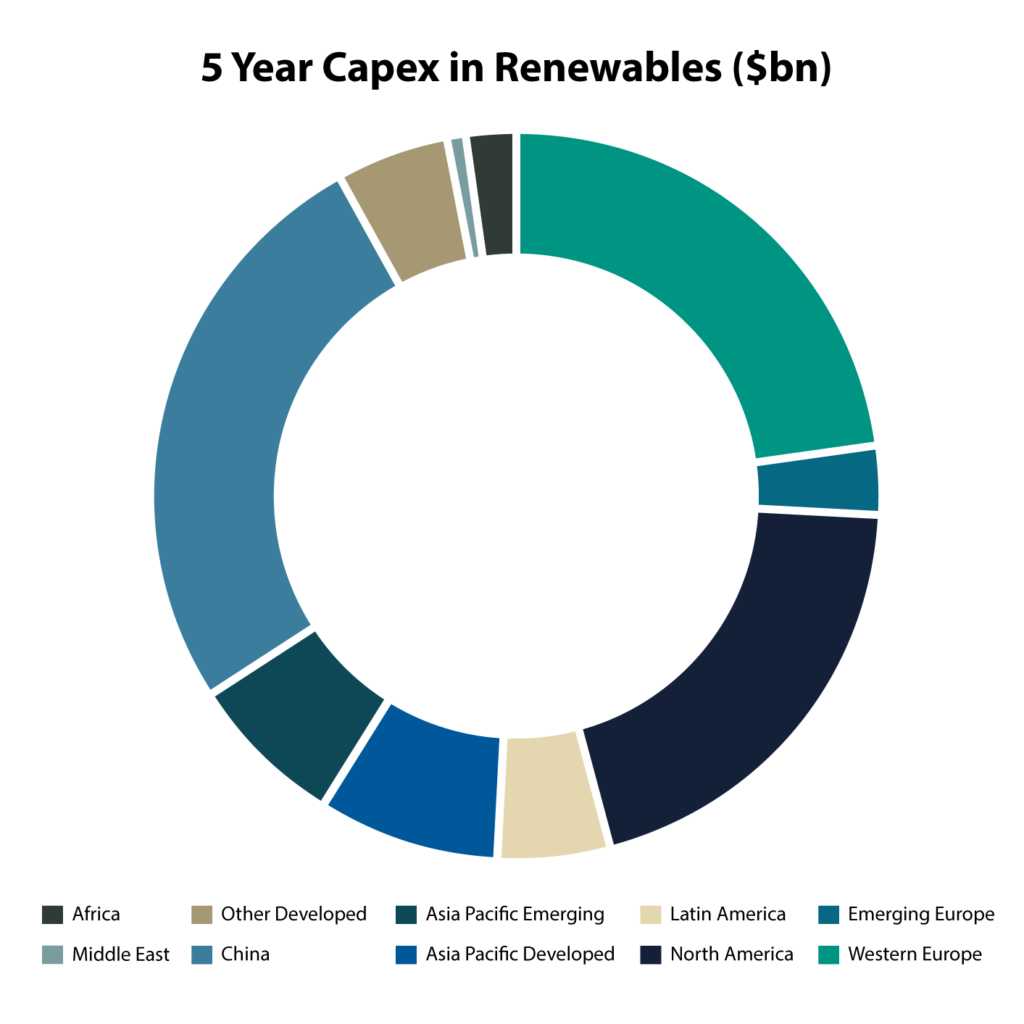
Whilst sub-Saharan Africa continues to struggle with massive energy deficits, it only accounts for approximately 2% of new renewables energy spend. A continent blessed with solar irradiation resources is particularly well positioned, and in need of, realising the transition as soon as it pragmatically can.

Source: ARIA, Bloomberg

JUNE 3RD: CHINESE BULL
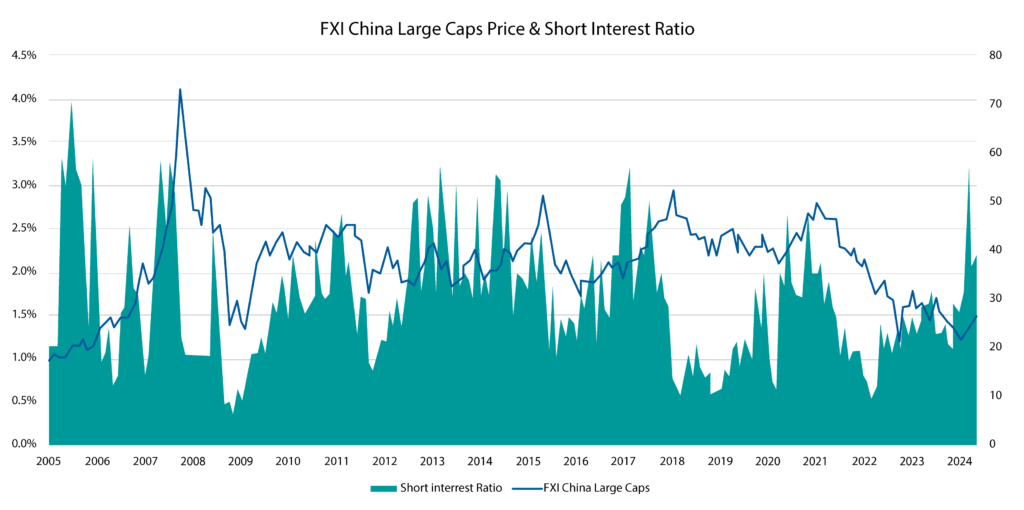
There are more than a few reasons to suspect the Chinese stock market has seen an intermediate, and probably long term bottom. Not least the historic spike in short positions in the Chinese FXI ETF, suggests selling had reached an extreme.

Source: ARIA, Bloomberg

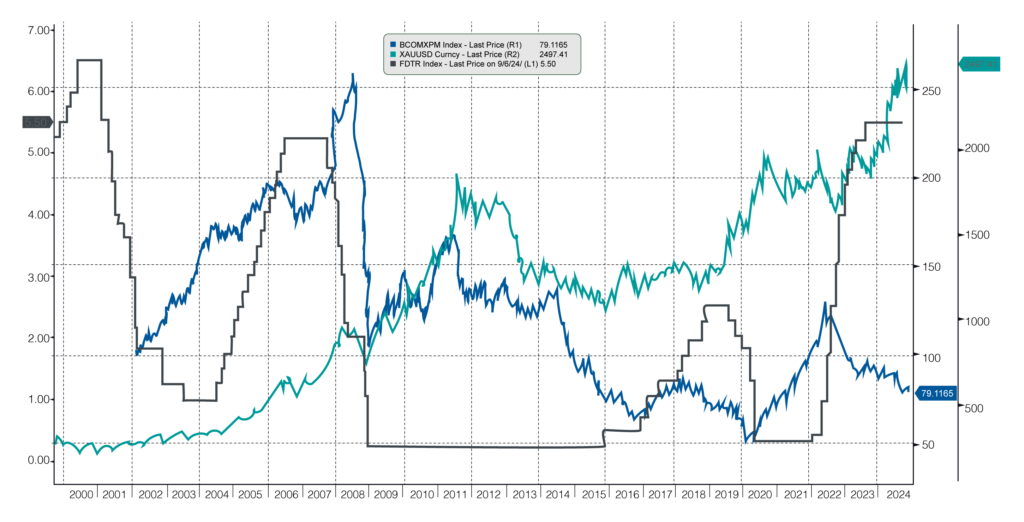
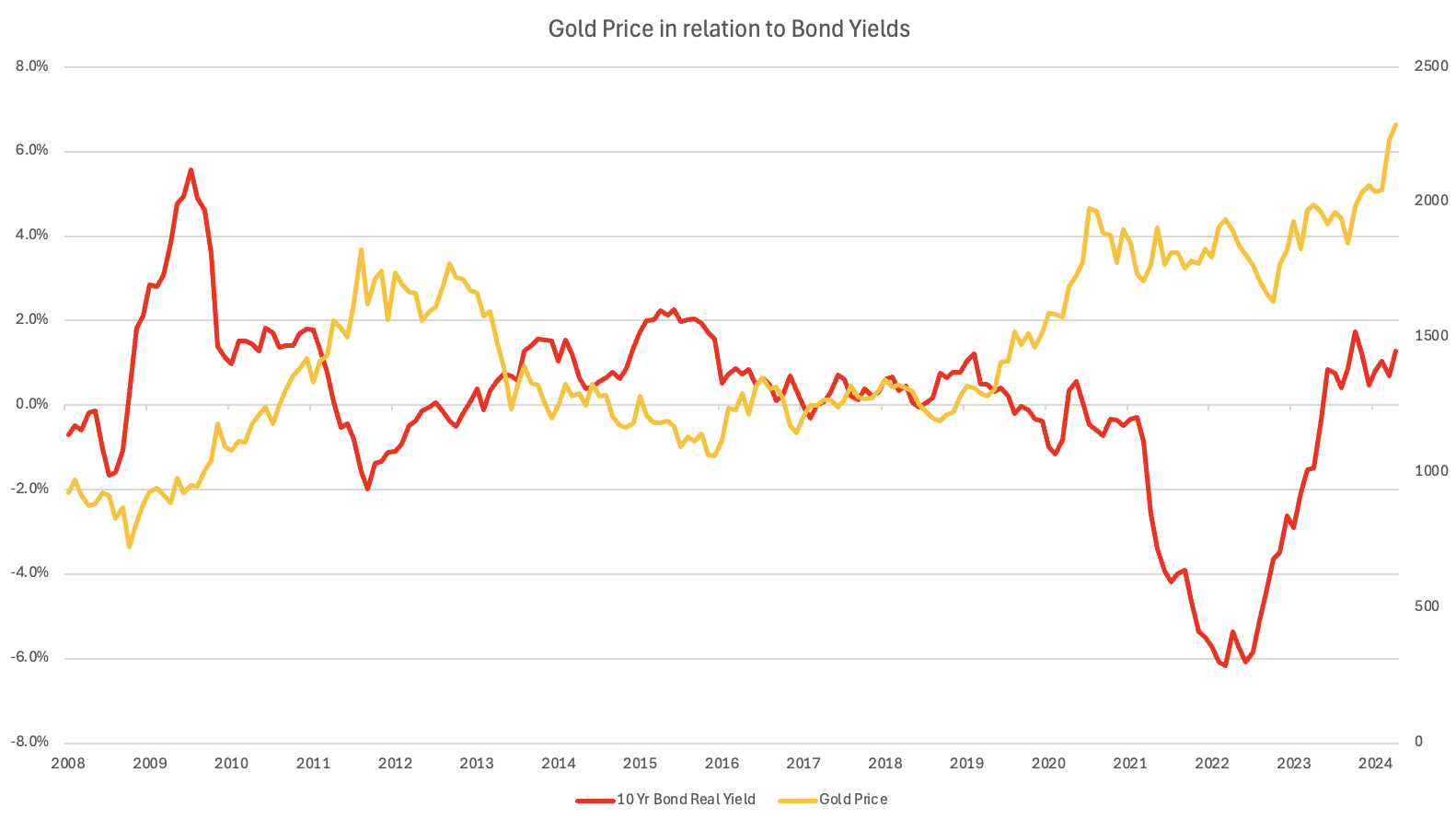
MAY 27TH: THE CURIOUS CASE OF GOLD AND BOND YIELDS
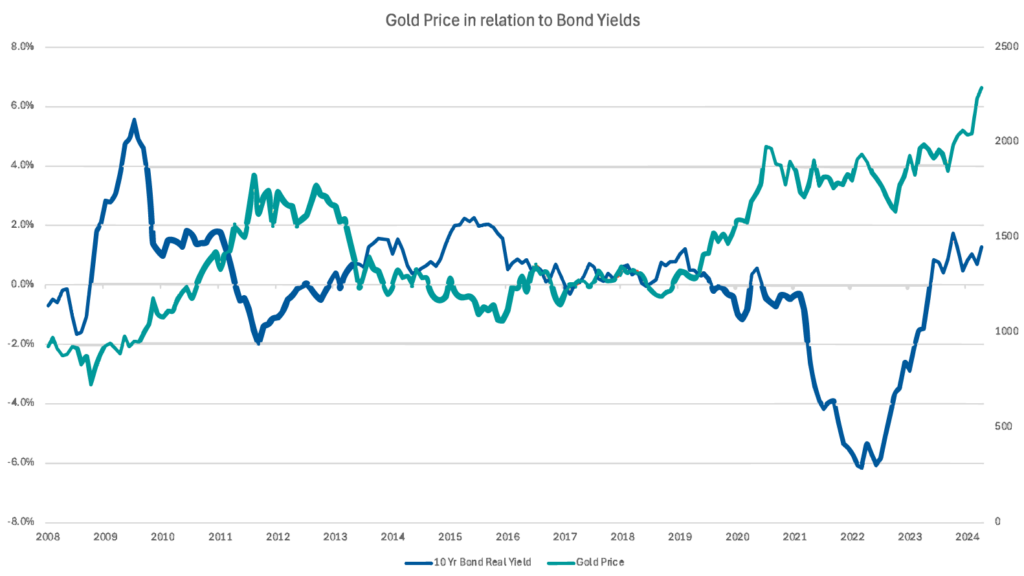
Usually rising interest rates would at least cap Gold’s price appreciation. In fact, often the two demonstrate an inverse relationship. However, in the recent past, even whilst bond yields have moved higher, Gold has appreciated nonetheless – in part no doubt driven by geo-political tensions perhaps.

Source: ARIA, Bloomberg

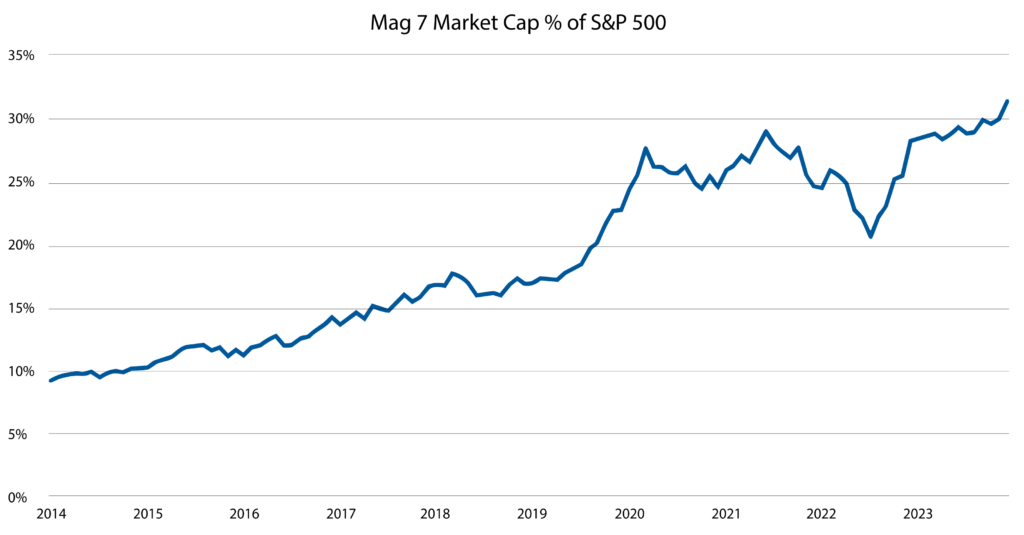
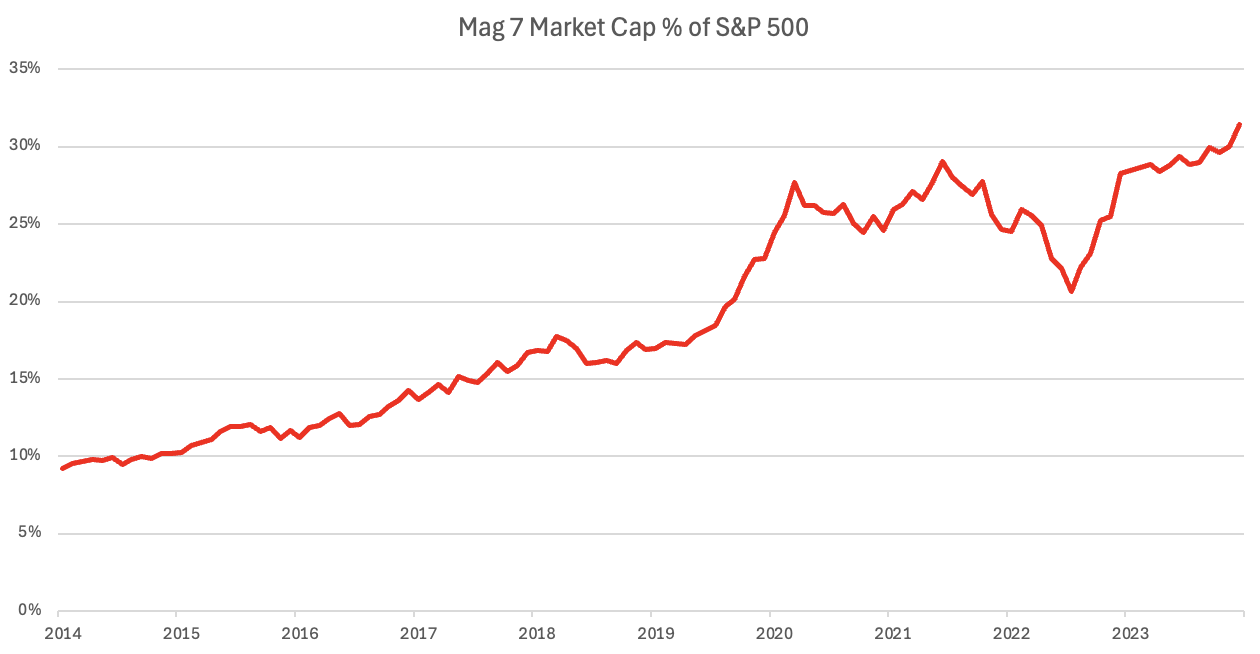
MAY 20TH: THE ‘MAG 7”S INCREASING INFLUENCE
US large cap tech, notably Nvidia in recent times, have often accounted for much of the wide US market’s performance. However, rarely have they accounted for our 30% of the market’s capitalisation.

Source: ARIA, Bloomberg

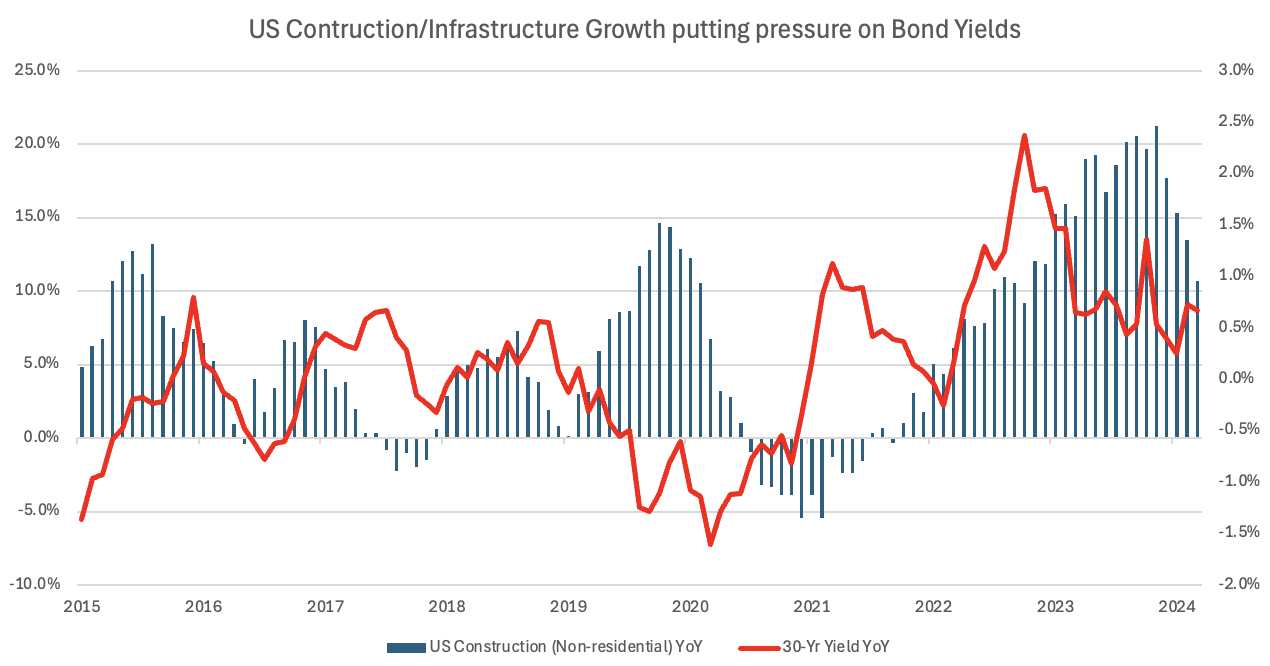
MAY 13TH: US CONSTRUCTION CAPEX DRIVES INTEREST RATES
Biden’s tenure has been characterised with three major pieces of legislation, including the Inflation Reduction Act, that has generated massive infrastructure spend. Such large government fiscal stimulus tends to lead higher interest rates, although the pace has begun to slow more recently, perhaps removing one tailwind for the ‘higher for longer’ narrative.

Inside Squared Brackets is where we spotlight the signals shaping markets beneath the surface — through charts, context, and conviction. In this edition, we dig into two striking indicators: the deep value currently seen in gold miners, and a rare macro signal flashing caution — the US Market Cap to GDP ratio breaching historic levels.
 

JANUARY 20TH: LATE IN THE CYCLE
The Market Cap to GDP Ratio gives an indication of how big the financial world has gotten relative to the real one. Previous extremes have often portend of significant set backs in equities ahead.

Most noticeable is that for the first time in history the US stock market capitalisation to GDP ratio has broken through the 200% mark. A reflection of the time we live in with regards to US leadership in global markets, but also the stage we are at in the market cycle.


JANUARY 6TH: LATE IN THE CYCLE
The EU’s solar success story continued in 2024, as the bloc saw a record annual increase in solar generation. In fact, 2024 marked a record annual increase in solar generation, up 54 TWh (+22%) compared to 2023, when solar generation had already increased by 40 TWh compared to 2022. 2024 was also a record year for annual capacity additions: the EU solar fleet grew by 66 GW, equal to over 450,000 panels added per day

An accelerated rollout of batteries and smart electrification will be key to cost-effectively sustaining solar’s impressive growth. Solutions such as batteries and smart electrification are already mature and ready to deploy, but require policy action to reach their full potential.


JANUARY 13TH: RUNNING ON FUMES
On December 26, 2024, Ukrainian President Volodymyr Zelensky announced he wasn’t going to renew a contract to route Russian gas to Europe. It was another unwelcome surprise for European consumers and companies. The Ukraine route was the last pipeline connecting Russian gas directly to central Europe, delivering about 320 million cubic meters per week to Slovakia, Hungary, and Austria. When the contract expired on January 1, 2025, deliveries dropped to zero.

After shutting down Transgas, TurkStream is the only remaining supplier of Russian gas to Europe.

Last Man Standing

DECEMBER 30TH: GOLD VS STOCKS:
Despite the epic bull run in gold, it’s “only” just kept pace with US equities at the time of writing – circa 26% YTD. Moreover, the below suggests there is still a long way to run. The most likely reason for this chart to turn up (if it does), would be for equities to enter a correction/bear market, and gold to either hold its ground or continue to move higher. These triangle patterns can be very reliable and the longer the time frame, (30 years), the more powerful the signal would be

Gold VS Stocks
(Stocks=S&P 500 Index ,including dividends)


DECEMBER 23RD: REAGANOMICS REDUX
The below sets out an uncanny development – it appears that things are largely following a former Republican presidential beginning. As Jason Goepfort points out: “Reagan’s victory [in 1980] was both anticipated and celebrated by Wall Street, as he was seen as a “transformative” candidate with the promise of solving all of the problems which faced the country then. And Reagan arguably was a transformative president, but the first two years were not a pleasant time to be a stock investor”

Countries with the Most Gold


DECEMBER 16TH: RECESSION WATCH
While there are no glaring obvious signs of recession right now, there are some indicators alerting us to stay on guard, for example the chart below which shows the relative performance of Walmart vs global luxury stocks. The idea is that staples like Walmart hold up during recession, while luxury stocks suffer from cutbacks in consumer spending. It’s also worthy of note though, that some of the weakness in global luxury stocks may be more of a reflection of the economic slowdown in China (and Europe, not to mention Russia). However, consumer data in the US is undeniably weakening, and credit card delinquencies moving higher suggesting a consumer that is stretched….

WallMart Recession Signal Vs. US Corporate Credit Spreads


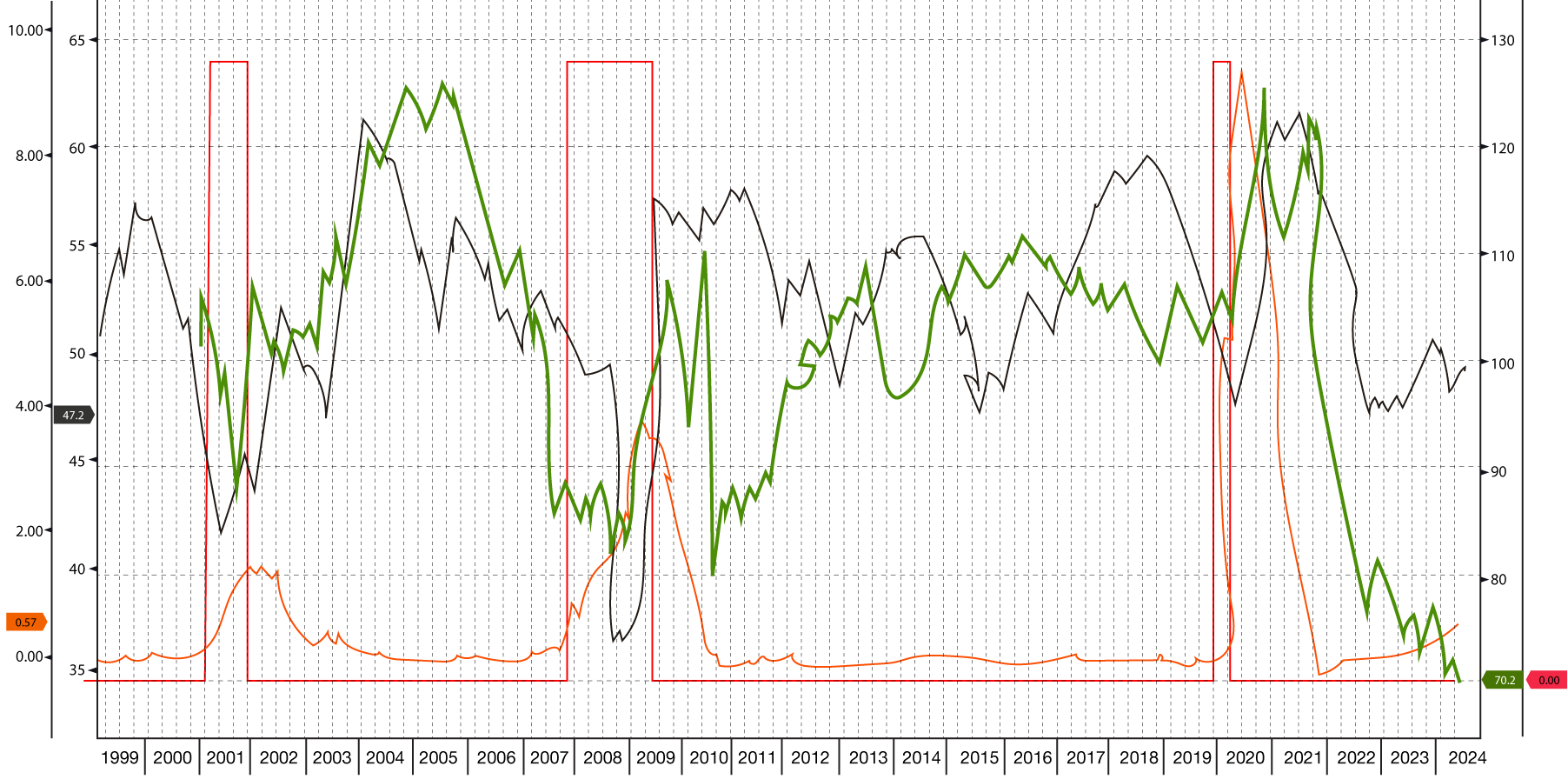
DECEMBER 9TH: BUBBLICIOUS
Peak Euphoria: After a string of back-to-back new all-time highs in this indicator, the flash December reading has come in ever so slightly lower than the November reading. One thing to note with indicators like this is that they send the most powerful signals when they reach an extreme and then turnaround — was November a climax in stock market euphoria? The market is more than overdue a reset.

The Euphoriameter
Combination of Forward PE , VIX , Bullish Sentiment

NOVEMBER 25TH: GOLDEN HANDCUFFS
This chart shows the top 10 countries by Central Bank Gold Reserves — while it might be old news for some (and it is May 2024 data), the standout is how even though China + Russia have been important buyers, they still trail well behind the USA and the combined holdings of Eurozone countries. Perhaps the Federal Reserve and Jerome Powell knows something the rest of us don’t.

Countries with the Most Gold

NOVEMBER 18TH: CHINESE CRACKERS
China’s real estate market continues to concern. Between 2008 and 2023, household debt rose from less than 20% to over 60% of GDP. This development was directly linked to the credit-financed real estate boom, which drove cities such as Beijing and Shanghai into extreme price bubbles. The ratio of house prices to income is now twice as high as in London – an unmistakable sign of overheating. However, the situation is even more serious in the smaller cities, which contribute around 60% of China’s GDP.

Price Variation
China’s smallar tier 3 Cities have seen the sharpest slide in property prices.
(house price chnages by city ties ; Jan .2021=1)


NOVEMBER 11TH: DISTRIBUTED LEDGER
A recent report from Abrdn which found that UK adults hold the smallest percentage of their wealth in equities or mutual funds of any G7 country (8%) and that almost half of UK adults think property is a better long-term investment than pensions. That is in stark contrast to UJ households – but perhaps less surprising when the last 15 years of returns of the FTSE 100 vs S&P 500 are taken into consideration.

How people’s personal wealth is split across assert classes
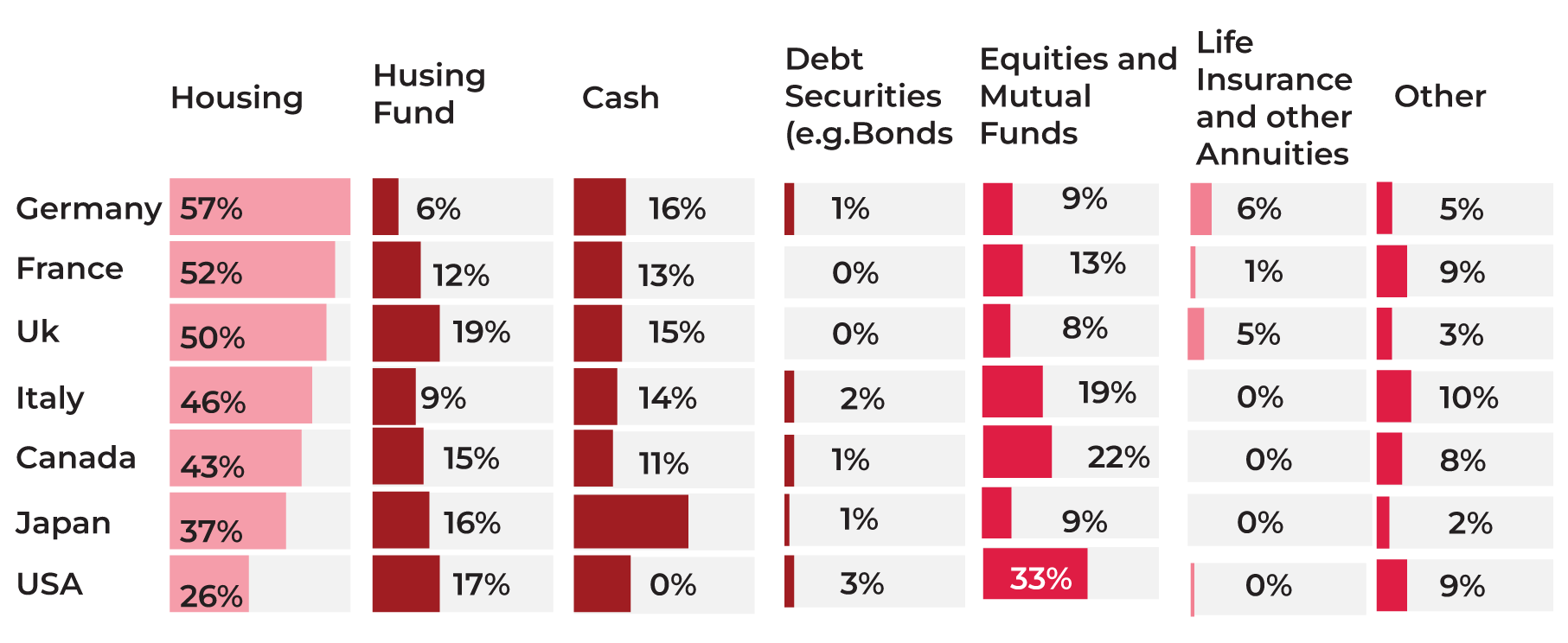
Based on abran analysis of data from individual countries’ financial accounts. Figures are the latest available data, released in 2023. Cash includes currency deposits and money market funds


NOVEMBER 4TH: THE NEW MIDDLE KINGDOM
The notoriously power-hungry president of the country, Recep Tayyip Erdoğan, is in a position to recreate the Ottoman Empire, if not politically then economically: sourcing oil and gas across the Middle East and distributing it to southeastern Europe and up until Hungary and Austria, plus Greece and Italy. Such a strategy will provide Turkey with massive political and economic influence over large parts of Europe. The population belt that stretches from Istanbul to Jakarta could in itself have parallels to that of China’s post 2004 growth explosion.

A new Ottoman Energy Empire?


OCTOBER 28TH: UNPRECEDENTED
ChatGPT has made the term generative AI mainstream. But more importantly, it also saw the fastest user adoption ever, attracting 100 million users in just two months after its launch.

This is clearly a big deal, as we can see the meteoric rise of ChatGPT in the chart below compared to popular applications today like Instagram, Facebook and Netflix. Nothing else is quite like it. This growth was unprecedented.

# of days to 1M and users by technology

OCTOBER 21ST: PEAK PREDICTION
It was less than a decade ago, that hands were still wrung as to the foreseeable end of oil supplyies. Replacing conventional oil and gas’s historic decline rate, which fell to 4-5% per annum, was no small task, but the speed by which it arrested – and the implications for the global order, was not seen by many.

Shales’ arrival on the scene was timely, as it plugged the gap that was opening up between conventional supply and demand. What’s less understand was the magnitude – the US shales provided the energy equivalent of two Saudi Arabias with impeccable timing.

Hubbert’s peak prediction vs. actual oil production in the United States
Hubbert’s hypothesis of peak oil production in the United States, alongside actual oil production trends in the United States, both measured in cubic meters per year.

OCTOBER 14TH: THE NUCLEAR OPTION
The nuclear power industry in the United States has been stagnant for over thirty years. The number of operable units peaked in 1987 and net generation has been flat since the late 1990s. The average operating U.S. nuclear power plant is 42 years old.

The two most recent new reactors, completed in 2023 and 2024 at Georgia’s Vogtle plant, were not driven by datacenter demands but instead marked the completion of a project than began construction in 2009, delivered fourteen years later at a total cost of over $30 billion for just 2,200MW of generating capacity. Until small nuclear reactors can deliver timely, reliable base load, renewables will continue to account for most load growth.

Nuclear Stagnation
 

OCTOBER 7TH: BRICKS AND MORTAR VS UK SHARES
The following considers whether investors are better to hold UK property or UK shares. As we can see, a longer time horizon shows three distinct periods. Share price outperformance in the 19th century, house price outperformance in the 20th, a more mixed picture in the 21st.

We can see how neither house prices nor share prices always go up, even over long time periods (although most of the time they do, and since 1945 they consistently have done, although this doesn’t account for inflation). In that respect the performance of both assets have tracked higher, with trailing 30-year returns rising steadily during the post war period.

Finally, since the turn of the century, 30-year returns for houses and shares have been quite similar, which may reflect the role of falling interest rates in driving all asset prices since the early 1980s.
*Data from 1845 to 2015 is from the Bank of England. For 2016 to 2024 the share price series has been extended using price returns of The FTSE All Share Index. House price index has been extended using annual returns from the Land Registry: 2024 house prices are as of October 2024


SEPTEMBER 30TH: RELYING ON THE KINDNESS OF STRANGERS
The UK has become increasing dependent on international investors to buy its government bonds. It wasn’t But that changed following the global financial crisis and above all Brexit, as the chart below from the Bank of England’s Bank Underground journal shows. Now if Brits are to continue to live beyond their means, we will need to fund the current account deficit by selling gilts to foreigners.

Post Brexit, banks have become a smaller percentage of GDP, and the Government a large proposition, which brings the reliance of Gilts used to fund government spend.

SEPTEMBER 23RD: ENERGY EFFICIENCIES
Moving electricity along transmission and distribution lines results in losses as some electrical energy gets converted into heat. Electrical transformers, which minimize these losses by transforming electrical energy into high-voltage, low-current before transmission, operate at around 98% efficiency or more.

The table show the conversion efficiencies of various pieces of energy infrastructure: The low thermal efficiency of ICE cars and heat engines in general and the high efficiency of electrical equipment (especially things like heat pumps) are the biggest counterweight to the high energy capacity of hydrocarbons.

Energy conversion efficiency
Conversion or transmission efficiencies of various pieces of energy infrastructure.
Source: IFP, ARIA


SEPTEMBER 16TH: DEEPER DELVE: THE LEVEL OF INFLATION AND HOW BONDS AND EQUITIES PERFORM IN CONCERT
Bonds and their role as portfolio hedges are pivotal to portfolio asset allocation decisions. However, bonds do not always rally, when equities fall, and vice versa. Instead, the relationship is a little more nuanced than that, and is significantly influenced by how high inflation is. As per the table above, when CPI is below 2% or even negative, stocks and bonds are negatively correlated – giving rise to the 60/40 portfolio and bonds acting as a “portfolio hedge”. When inflation is 2-3%, that relationship breaks down, but beyond that, in highly inflationary times, when inflation is >4.35%, stocks and bonds are positively correlated and it is very tough sledding for both.

The correlation of stocks and bonds depending on the level of inflation (as measured by the Consumer Price Index – CPI)
Source: Thundersaid Energy


SEPTEMBER 9TH: GLOBAL EV OUTLOOK AND LITHIUM CARBONATE
It’s widely reported that EV sales globally are on a tear. Since 2019 indeed, every year has seen a significant increase. Only in the first quarter of the year, sales grew by 25% compared to the same period in 2023. Moreover, we’re predicted to see 17 million in sales by the end of 2024. Electric cars could account for 20% of total car sales by then. The IEA sees a great growth potential, especially outside of the core markets of China, Europe and the USA.

However, prices for lithium carbonate, (and inevitably heavily influenced by supply), have been going in the other direction – might sales going forwards not be at such a blistering pace?

Chinese Lithium carbonate prices have collapsed
Source: Thundersaid Energy


SEPTEMBER 2ND: ROLLING CORRELATION BETWEEN STOCKS AND BONDS
Bonds have historically been the defenders in the football teams that are portfolios. When equities fells, typically bonds rallied, providing stability in returns. That was the case for 30 years at least, until recently for nearly 30 years. However, before that, we had a 30 year periods were by equities and bonds both rallied and fell together – and during a higher inflationary regime. The question is what is before us? Do we return to a positive correlation, or was Covid inspired supply chain shortages and commensurate inflation, a shorter term diversion.


AUGUST 26TH: ENERGY AND CARBON INTENSITY OF EVERYDAY MATERIALS
Comparing the CO2 intensity and energy intensity of materials, many used in our daily lives appear to be ‘less expensive’ in terms of the resources they take to produce. That’s to say when measure in tons/ton of Co2, kWh/ton of electricity and kWh/ton of total energy, EV batteries,. Lithium can be very costly to produce when compared to methanol or concrete

Co2 intensity of materials
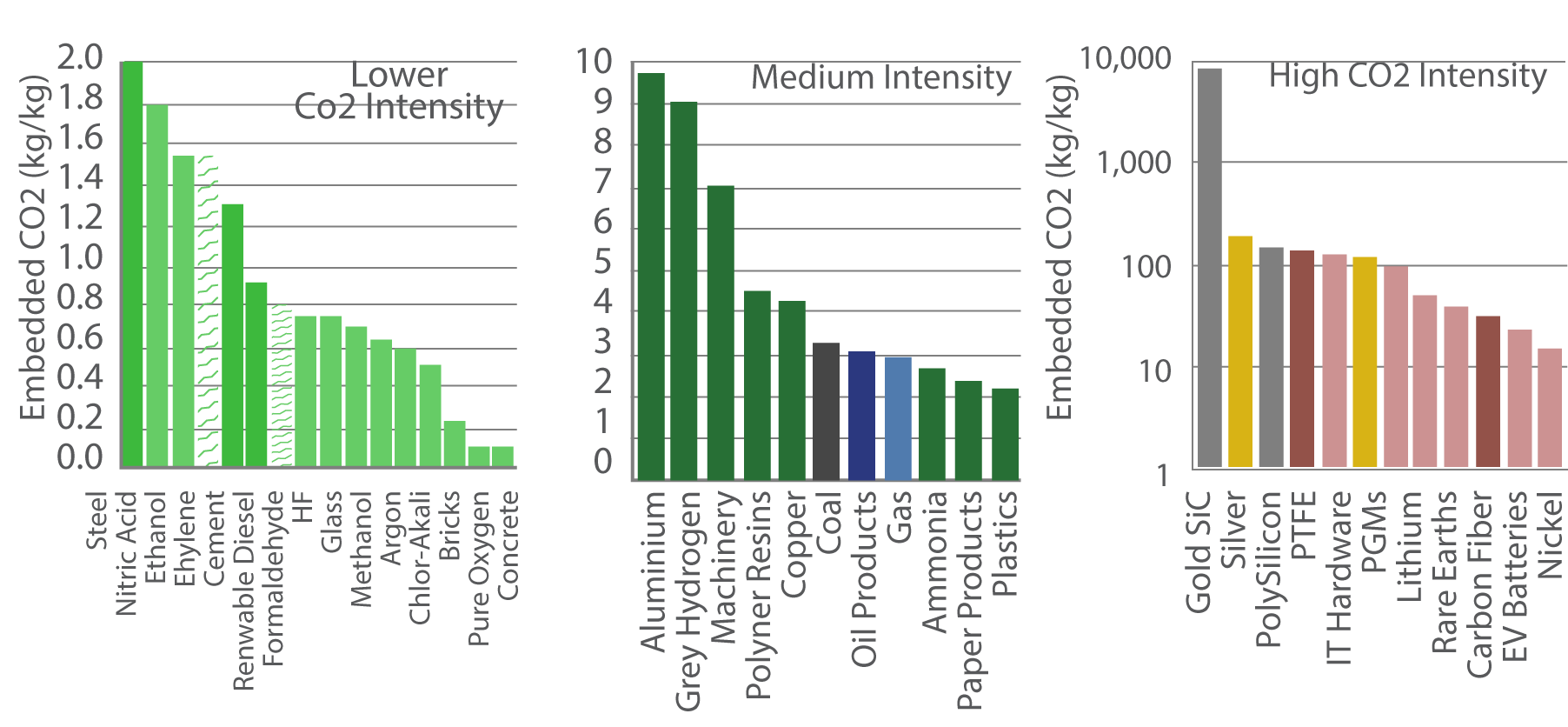
Source: Thundersaid Energy


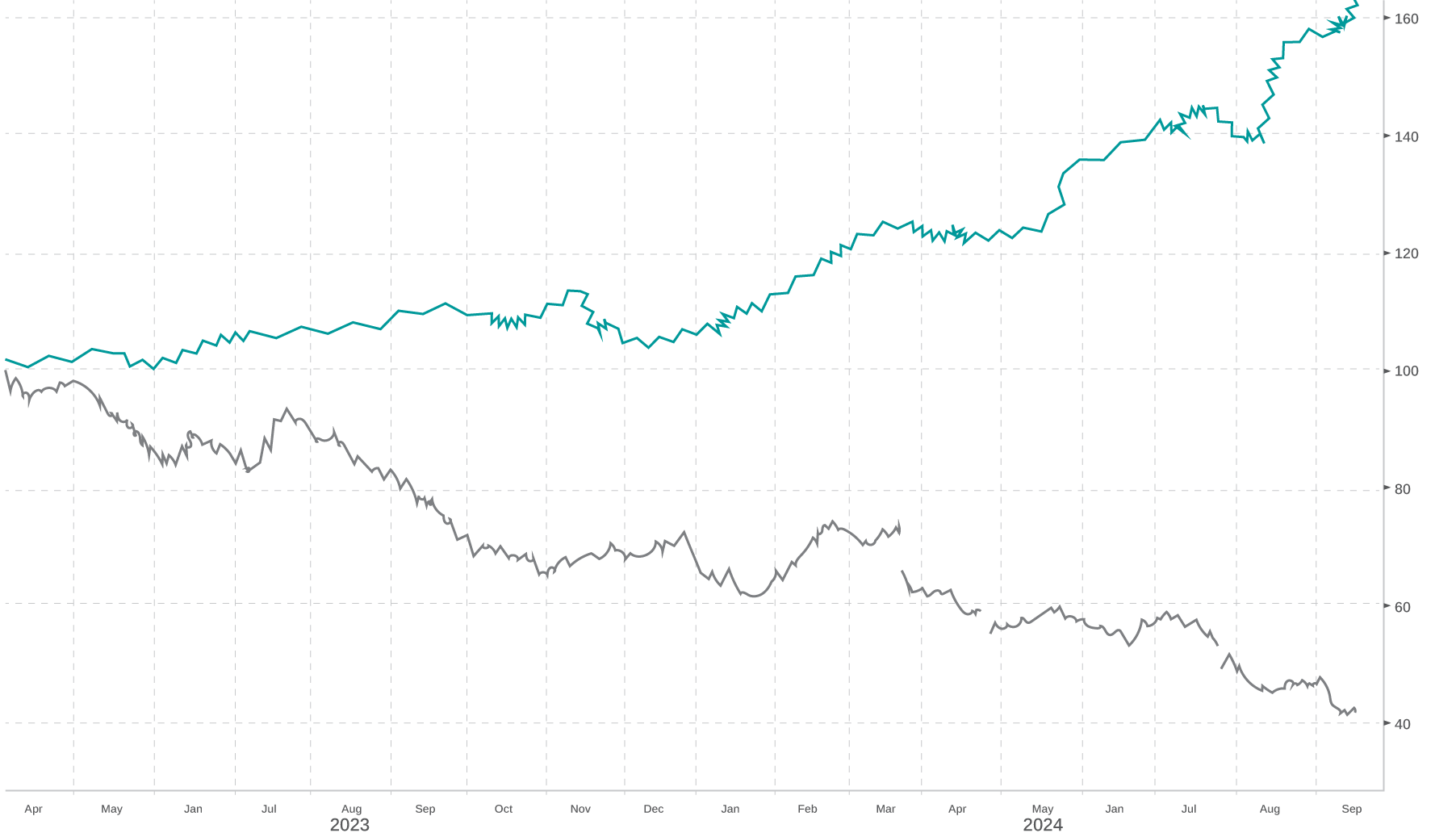
AUGUST 19TH: THE BEST OF TIMES THE WORST OF TIMES
perhaps if the global slowdown was to be believed, then this would support it. As global consumer perhaps pulls in its horns, Kering SA, listed in the EU and owning brands such as Gucci and Yves Saint Laurent has a had tough time compared to Walmart in the US – a discount retailer known for its miserly prices.

year performance of Kering SA versus Walmart

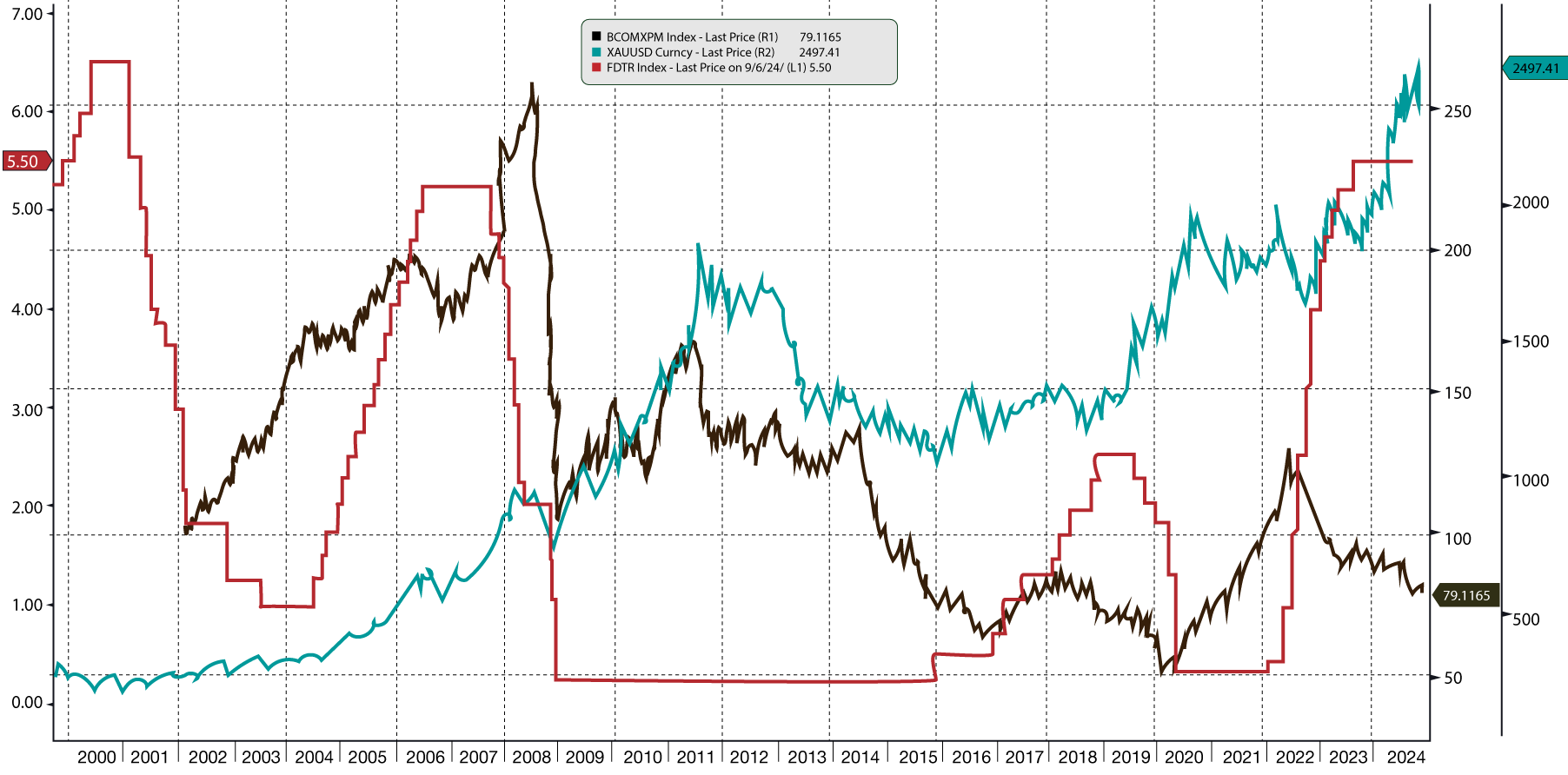
AUGUST 5TH: LOWER RATES, HIGHER COMMODITIES?
It’s often held that as interest rates are lowered by Central Banks, and particularly in respect of the US Federal Reserve and the green back, commodity prices rally – alongside other asset classes such as bonds and property. During the last three cutting cycles – show where the purple line is falling 2001, 2008 and 2020 grains, oil, metals and Gold have all responded differently. Of course, each cycle has had different rationales for lower rates. Most obviously gold seems to respond to lower interest rates most positively, yet oil and metals, tied to the economic cycle are less likely to benefit, as having fallen in each period of lower interest rates.

Grains, Metals, Gold and Crude Oil – performance in cutting cycles

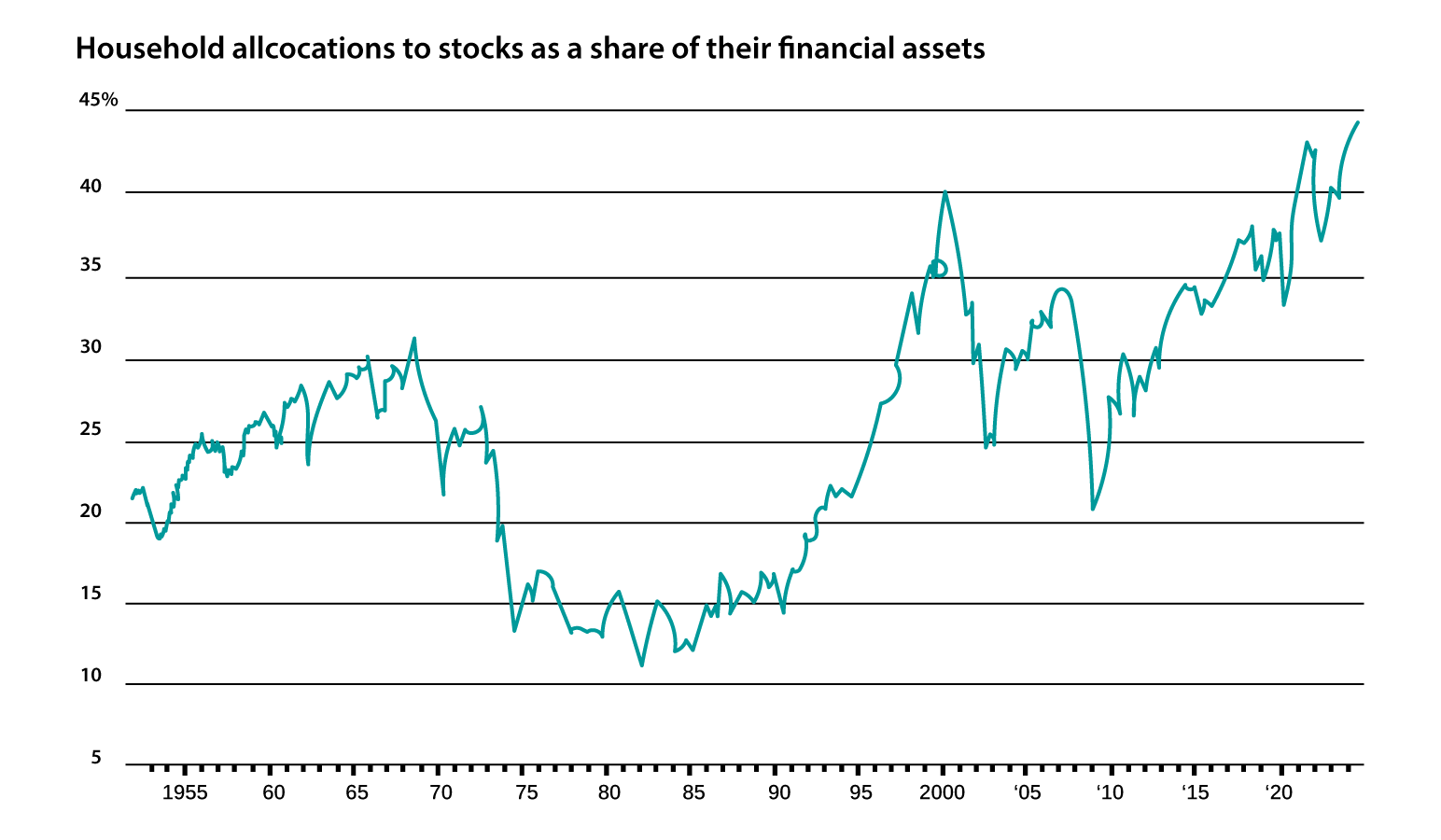
JULY 29TH: NEARING THE END OF THE BULL? OR SIGNIFICANT GAINS AHEAD?
Household stock allocations have reached an all-time-a clear sign that the bull market, ongoing sine 2009, may be in its absolute late stage.

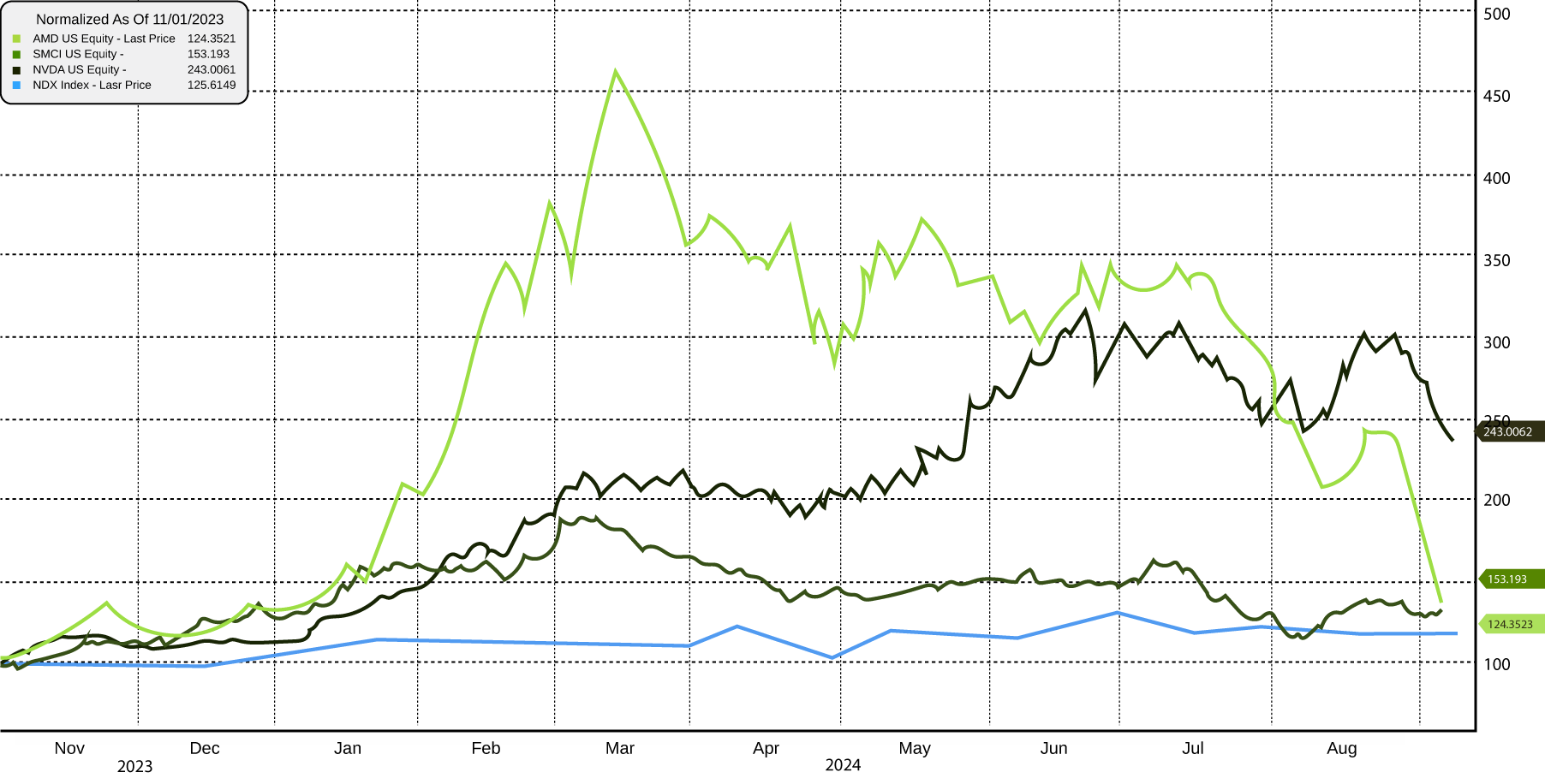
JULY 23RD: DIGITAL DOMINOES
Chart showing 2024 YTD price action and AMD, SMCI, NVIDIA and ultimately the Nasdaq topping in sequence.
Source: ARIA


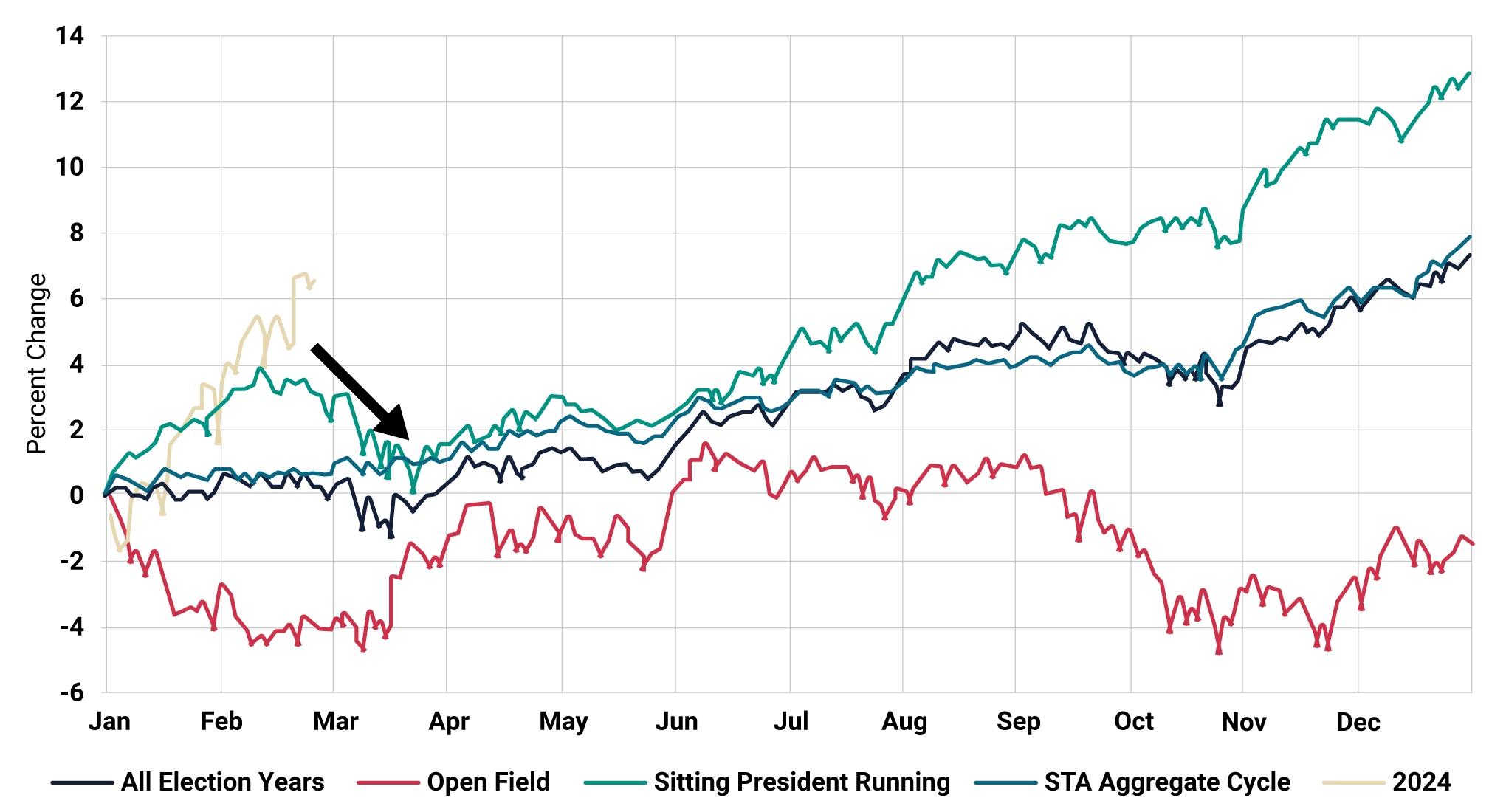
JULY 15TH: HISTORICAL ELECTION YEAR PATTERNS
Historically, ‘Sitting President Running’ Election years are strong performers, and 2024 has been no exception. The seasonal pattern below confirms just that. However, with now a greater degree of uncertainty, it is very possible that we fall into the ‘open field’ pattern as recorded below as the Democrats look to switch their Presidential candidate.

Seasonal Patterns in Election Years
Source: Almanac Trader, ARIA


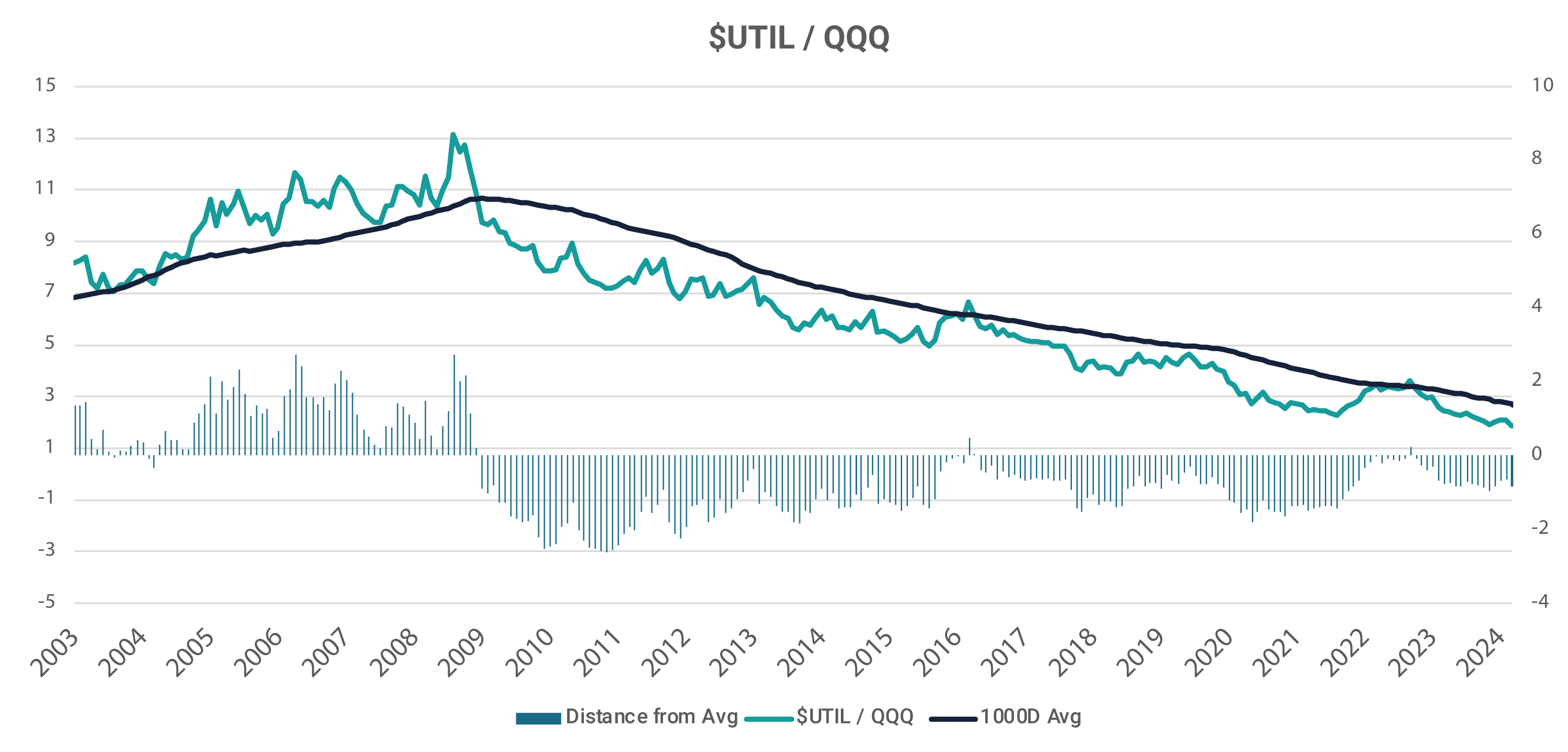
JULY 8TH: EXTREME RELATIVE OVERVALUATION IN TECH VERSUS DEFENSIVE EQUITY SECTORS
Such asset allocation changes include utilities and consumer staples sectors, which have been out of favour for some time. The below chart shows perhaps that that tide has turned, and specifically markets may for a period of time take on a more defensive leadership. A housing and retail led slowdown is long overdue.

Performance and valuation discrepancies between defensive and growth sectors is at an extreme
Source: ARIA, Bloomberg


JULY 8TH: EXTREME RELATIVE OVERVALUATION IN TECH VERSUS DEFENSIVE EQUITY SECTORS
Such asset allocation changes include utilities and consumer staples sectors, which have been out of favour for some time. The below chart shows perhaps that that tide has turned, and specifically markets may for a period of time take on a more defensive leadership. A housing and retail led slowdown is long overdue.

US Federal Reserve Balance Sheet as Percentage of GDP
Source: ARIA, Bloomberg


JULY 8TH: FED HAS COMPLETED ITS LIQUIDITY DRAIN.
Whilst central banks have been reducing their post pandemic bloated balance sheets, it has been for governments and fiscal policy to do the stimulus heavy lifting. In fact, the US Federal Reserves’ monetary support, as a percentage of GDP, is now back to pre-COVID levels, although massive infrastructure spend has offset the removal of central bank’s monetary support, and kept nominal growth upbeat.

Source: ARIA


JULY 1ST: REGIME CHANGE
Our forwards looking macro regime investing approach, which uses growth, inflation and liquidity as a macro compass, helps to determine which of the four quads or market regimes – goldilocks, reflation, deflation or decline, best describe the current market conditions. We then reflect in our portfolio’s, asset allocations sympathetic to which quad we sit in. Each quad as you can see below has historically favoured certain assets. Our data indicates a move from Reflation back to Goldilocks – although favouring defensive low growth sectors such as utilities, consumer staples.

Quad Positioning

Source: ARIA


JUNE 24TH: 2024’S AI MINI BOOM NOW OUTSHINES THE TMT BOOM OF 2000
To what degree are we witnessing a ‘mania’? As the poster boy for the bull market, NVIDIA’s recent price action is parabolic and a trend ending signal. By some historical benchmarks, such as valuation metrics, the AI bubble is bigger than its TMT brethren in 2000. AI companies have raised billions, and have spent billions on a capex cycle, creating the demand for Nvidia’s chips. As we stand, many are still awaiting a product to match the capital committed to date.
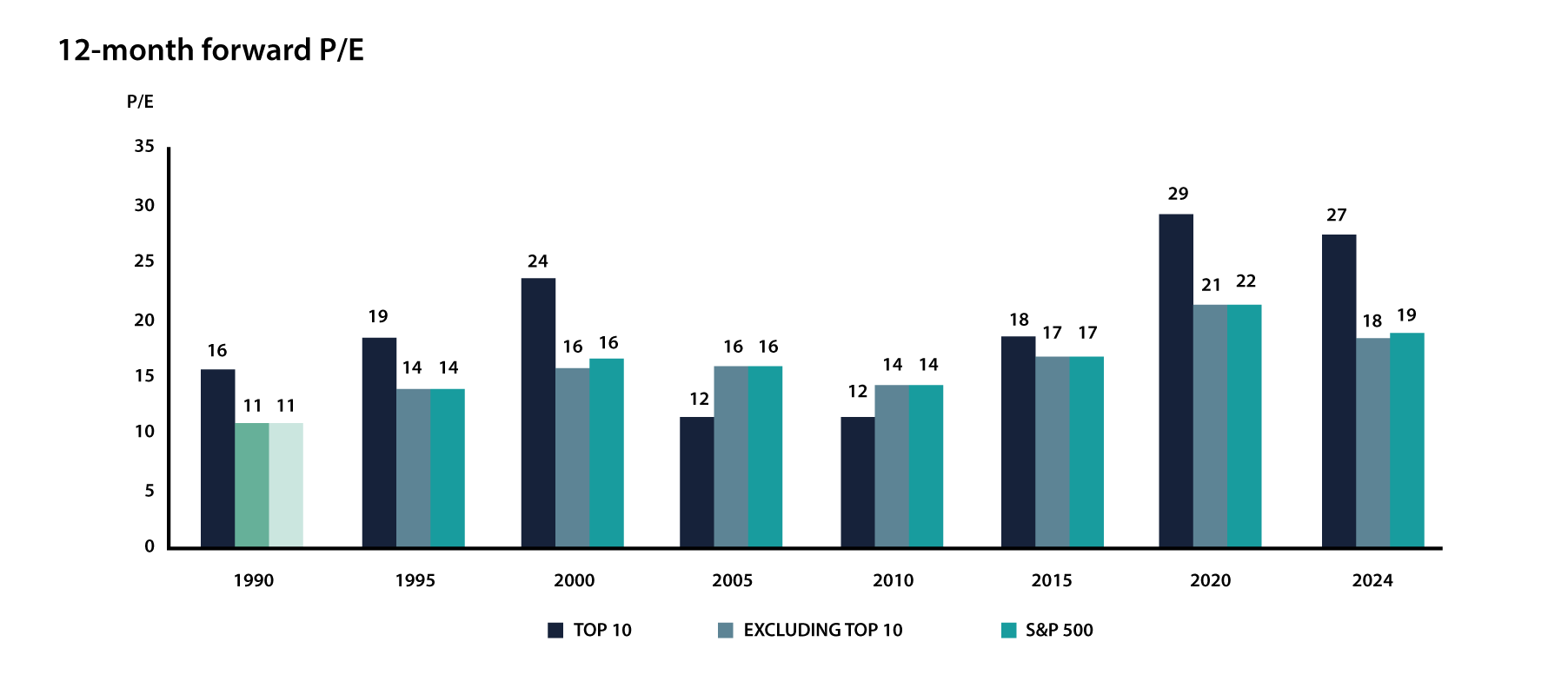
Source: Bloomberg, Apollo Chief Economist, ARIA


JUNE 24TH: 2024’S AI MINI BOOM NOW OUTSHINES THE TMT BOOM OF 2000
To what degree are we witnessing a ‘mania’? As the poster boy for the bull market, NVIDIA’s recent price action is parabolic and a trend ending signal. By some historical benchmarks, such as valuation metrics, the AI bubble is bigger than its TMT brethren in 2000. AI companies have raised billions, and have spent billions on a capex cycle, creating the demand for Nvidia’s chips. As we stand, many are still awaiting a product to match the capital committed to date.
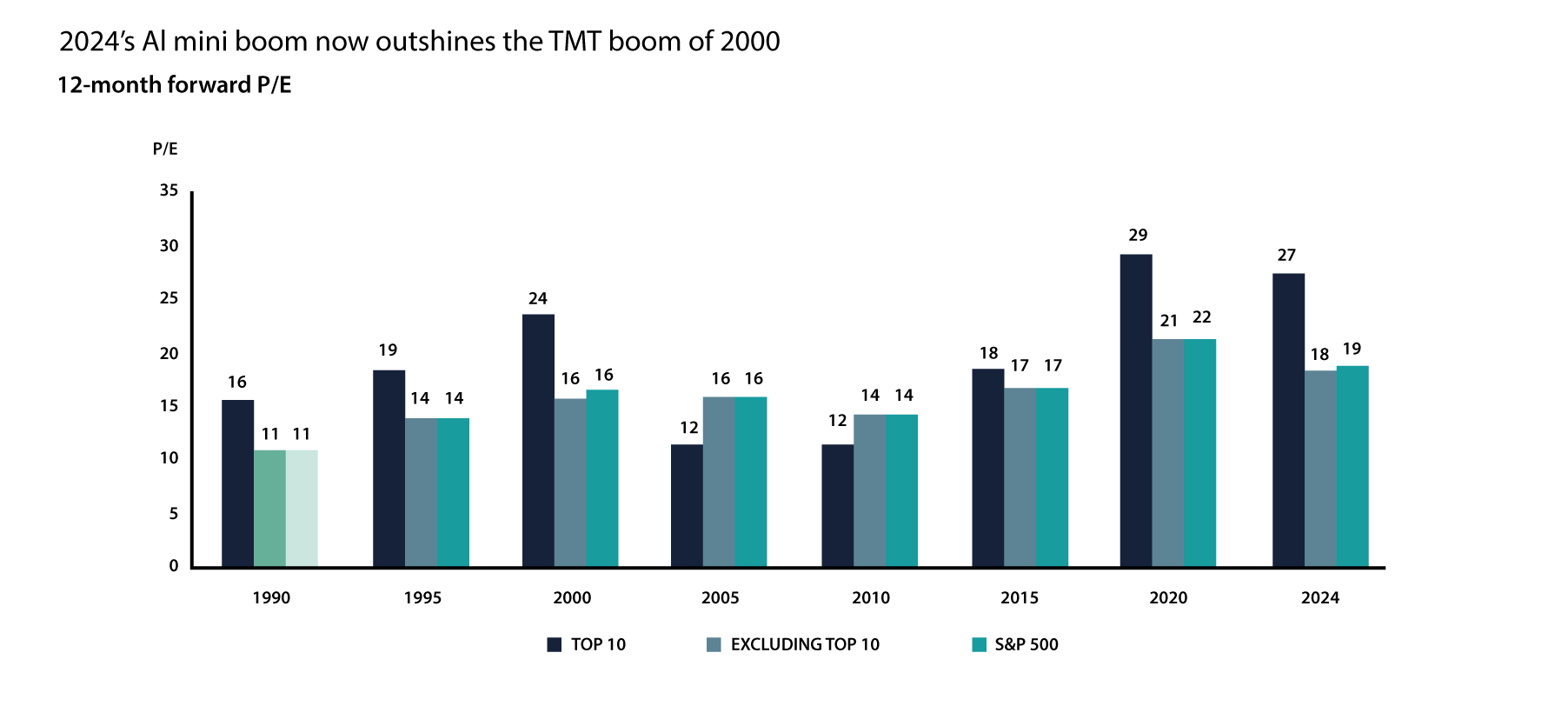
Source: Bloomberg, Apollo Chief Economist, ARIA


JUNE 17TH: AI VERSUS TMT BOOM ANALOG
To what degree are we witnessing a AI fuelled stock market ‘mania’? By some historical benchmarks, such as valuation metrics, the AI bubble is bigger than its TMT brethren in 2000. AI companies have raised billions, and have spent billions on a capex cycle, creating the demand for Nvidia’s chips. As we stand, many are still awaiting a product to match the capital committed to date.

Source: Bloomberg, Apollo Chief Economist, ARIA


JUNE 10TH: AFRICA’S DECADE
Whilst sub-Saharan Africa continues to struggle with massive energy deficits, it only accounts for approximately 2% of new renewables energy spend. A continent blessed with solar irradiation resources is particularly well positioned, and in need of, realising the transition as soon as it pragmatically can.
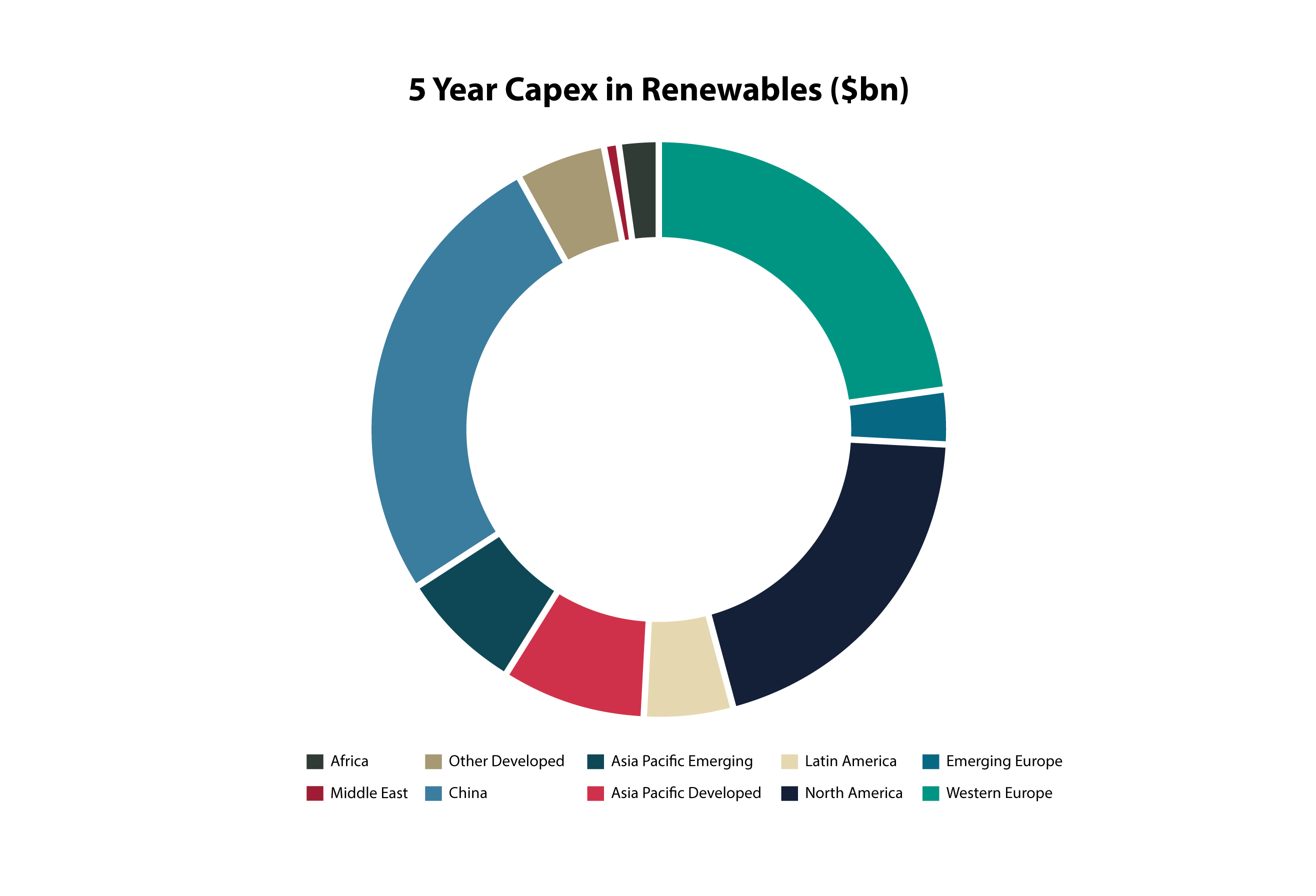
Source: ARIA, Bloomberg


JUNE 3RD: CHINESE BULL
There are more than a few reasons to suspect the Chinese stock market has seen an intermediate, and probably long term bottom. Not least the historic spike in short positions in the Chinese FXI ETF, suggests selling had reached an extreme.
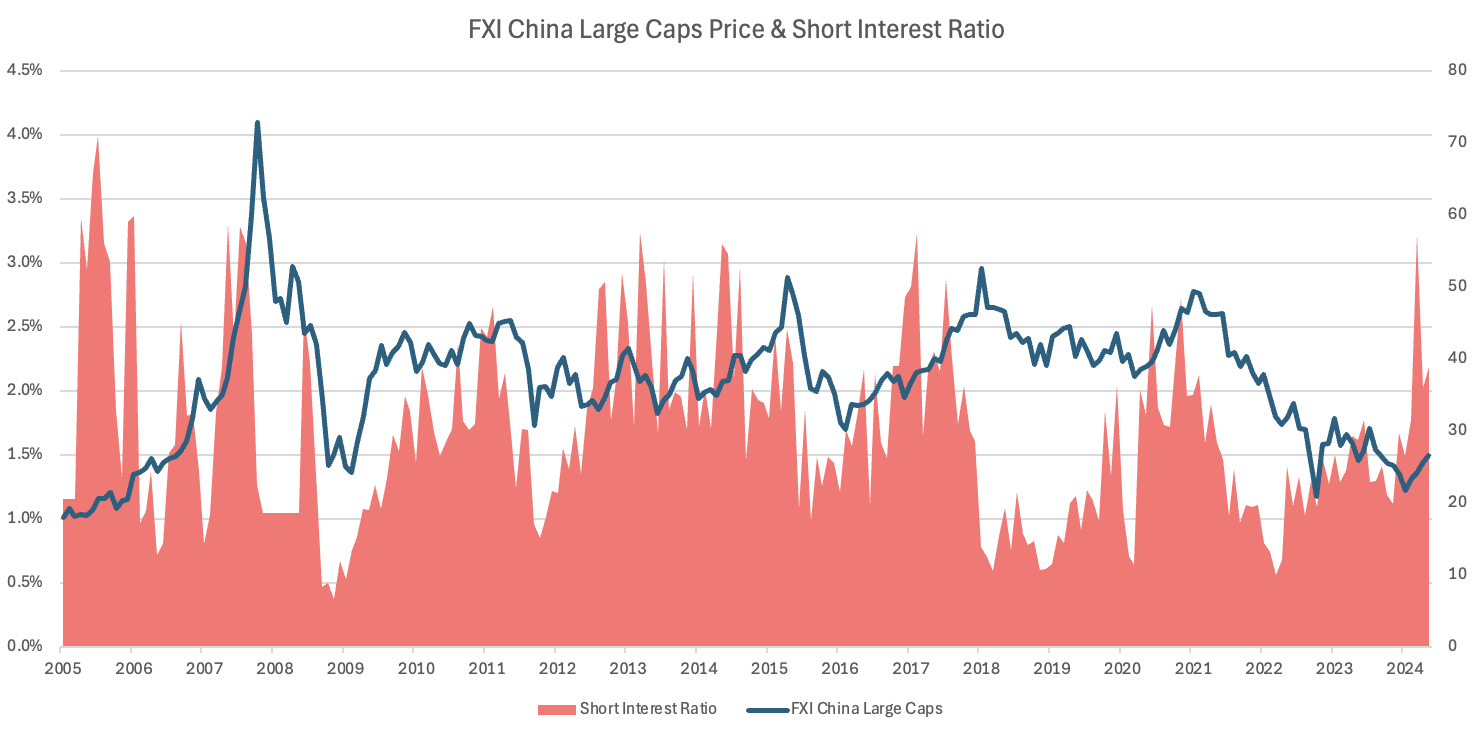
Source: ARIA, Bloomberg


MAY 27TH: THE CURIOUS CASE OF GOLD AND BOND YIELDS
Usually rising interest rates would at least cap Gold’s price appreciation. In fact, often the two demonstrate an inverse relationship. However, in the recent past, even whilst bond yields have moved higher, Gold has appreciated nonetheless – in part no doubt driven by geo-political tensions perhaps.
Source: ARIA, Bloomberg


MAY 20TH: THE ‘MAG 7”S INCREASING INFLUENCE
US large cap tech, notably Nvidia in recent times, have often accounted for much of the wide US market’s performance. However, rarely have they accounted for our 30% of the market’s capitalisation.
Source: ARIA, Bloomberg


MAY 13TH: US CONSTRUCTION CAPEX DRIVES INTEREST RATES
Biden’s tenure has been characterised with three major pieces of legislation, including the Inflation Reduction Act, that has generated massive infrastructure spend. Such large government fiscal stimulus tends to lead higher interest rates, although the pace has begun to slow more recently, perhaps removing one tailwind for the ‘higher for longer’ narrative.
Source: ARIA, Bloomberg

Lorem ipsum

Related Content

Ready To Work With Us?

Partner with a team that sees beyond the market noise.

This website is not suitable for individual (retail) investors. If you are a retail investor, please contact your financial adviser.

You are about to enter a website for professional investors and financial advisers and/or intermediaries and the information contained herein is not suitable for retail investors. Any person unable to accept these terms and conditions should not proceed any further. Before making any investment decision, you shall read carefully the offering documents of each Fund. The use of www.ariacm.com (this “Website”) is subject to the following terms and conditions (the “Terms”).

After you have read and understood these Terms, you may click “Accept” to confirm that you agree to the Terms. By clicking “Accept” you (i) expressly acknowledge that you have read and understood the Terms and agree to abide by them; (ii) represent and warrant that the jurisdiction you have selected is the applicable jurisdiction for the intended investment activities, and that you are not resident in the United States of America and are not a U.S. Person; (iii) confirm that you are accessing this Website in compliance with the laws and regulations of the jurisdiction you have selected, and all other applicable laws, rules and regulations; (iv) represent and warrant, if applicable, that you are authorised to accept these Terms and use or access (or attempt to use or access) this Website on behalf of your employer, your client, or both, and that in doing so you are acting within the scope of your duties and, at all times, on behalf of your employer, your client or both; and v) hereby represent and warrant that you are not a private investor or retail client (as defined in the Markets and Financial Instruments Directive 2014/65/EU as amended or updated (“MiFID”)) and that you shall not in any circumstances use or rely on any information displayed on this Website for your own personal investment use. If you do not agree with these Terms you must refrain from using this Website.

In these Terms, references to “you” and “your” are references to any person using or accessing (or attempting to use or access) this Website or, as the context requires, the legal entity on whose behalf a user uses or accesses (or attempts to use or access) this Website.

References to “ACM” “we” and “us” are references to ACM Europe Limited. References to “group” are references to other companies and affiliates with the same beneficial owner as ACM. By entering this Website, you acknowledge and agree to be bound by each of the Terms, together with any additional terms and conditions that apply to individual webpages, documents or other attachments contained within this Website (together, the "Conditions of Use"). If there are any Conditions of Use that you do not understand or agree with, you must leave this Website or the webpage in question (as applicable) immediately and delete immediately from the memory of your computer all documents from this Website.

  1. About this Website The information on this Website is issued and communicated by ACM Europe Limited (“ACM,” “we” and “us”), which is authorised and regulated by the Maltese Financial Services Authority (“MFSA”).
  2. This Website contains information about various Sub Fund of the Navigate Funds SICAV Plc (the “Funds”). The Funds have been registered in Malta, Ireland, Singapore, Spain and the UK. Please note that the fact of such registration or notification does not mean that any regulator including the Maltese Financial Services Authority, or any national regulator of your jurisdiction has determined that the Funds are suitable for all or any investors. The Funds referred to on this Website may not be suitable investments for you and you should therefore seek professional investment advice before making a decision to invest in any of the Funds.
  3. When using this Website you must comply with all applicable local, national and international laws and regulations including those related to data privacy, international communications and exportation of technical or personal data. It may be unlawful to access or download the information contained on this Website in certain countries and the Funds, ACM and its affiliates disclaim all responsibility if you access or download any information from this Website in breach of any law or regulation of the jurisdiction in which you are residing or domiciled or the jurisdiction from which you access the Website.
  4. If you are acting as a financial adviser or intermediary, you agree to access this Website only for the purposes for which you are permitted to do so under applicable law. If you are acting as a financial adviser or intermediary and provide services to clients categorised as retail clients under MiFID, you agree that you will not share with or provide to your retail clients any information available on this Website that has not been approved for retail use and is not otherwise suitable for your retail clients.
  5. ACM reserves the right to suspend or withdraw access to any page(s) included on this Website without notice at any time and accepts no liability if, for any reason, these pages are unavailable at any time or for any period.
  6. S. Persons interests in the Funds of services of ACM are not being offered, and will not be sold, within the United States or to, or for the account or benefit of, any U.S. Person. The term U.S. Person shall have the meaning given to it in Regulations under the United States Securities Act of 1933, as amended, and includes, among other things, U.S. residents and U.S. corporations and partnerships.
  7. The Funds are not available, and offering materials relating to them will not be distributed, to any person resident in any jurisdiction where such distribution would be contrary to local law or regulation.
  8. No Investment Advice. The information on this Website is provided for information only and on the basis that you will make your own investment decisions. Nothing contained on this Website constitutes, and nothing on this Website should be construed as, investment advice or a recommendation to buy, sell, hold or otherwise transact in any investment including interests in the Funds. It is strongly recommended that you seek professional investment advice before making any investment decision.
  9. The information on this Website does not take account of any investor's investment objectives, particular needs or financial situation. Investment in the Funds may not be suitable for you. In addition, nothing on this Website shall, or is intended to, constitute financial, legal, accounting or tax advice. Unless agreed separately in writing with a client, ACM and its affiliates neither provide investment advice to nor receive and transmit orders from investors in the Funds nor do they carry on any other activities with or for such investors that constitute “investment services” or “ancillary services” for the purposes of MiFID. You should consider whether an investment fits your investment objectives, particular needs and financial situation before making any investment decision. You should also inform yourself as to (a) the possible tax consequences, (b) the legal requirements and (c) any foreign exchange restrictions or exchange control requirements which you might encounter under the laws of the countries of your citizenship, residence or domicile and which might be relevant to the subscription, holding, transfer or disposal of interests in the Funds. Any opinion, article, comment, financial analysis, market forecast, market commentary or other such information which is published on this Website is not binding on ACM or its affiliates.
  10. Any past performances, forecasts or Simulations to the extent that this Website contains any information regarding the past performance and/or forecast of the Funds, such information is not a reliable indicator of future performance of these Funds or investment products of ACM and should not be relied upon as a basis for an investment decision. To the extent that this Website contains any information regarding simulated past performance, such information is not a reliable indicator of future performance and should not be relied on as the basis for an investment decision. Investment results for each Fund may vary. The value of investments and the income from them can go down as well as up and investors may not get back the amount originally invested and may lose all of their investment. The value of investments in the Funds may be affected by the price of underlying investments. Exchange rate changes may cause the value of overseas investments to rise or fall.
  11. Price Information All prices or values may not reflect actual prices or values that would be available in the market at the time provided or at the time you may decide to purchase or sell an interest in a particular Fund.
  12. Risk Warnings There are significant risks associated with an investment in any of the Funds. Investment in the Funds is intended only for those investors who can accept the risks associated with such an investment (including the risk of a complete loss of investment). You should ensure that you have fully understood such risks before taking any decision to invest. These Terms do not represent a complete statement of the risk factors associated with an investment in the Funds. The offering documents for each Fund contain risk warnings which are specific to the relevant Fund. You should consider these risk warnings carefully and take appropriate investment advice before taking any decision to invest.
  13. Offering Documents The terms of any investment in a Fund or investment product are governed by the documents establishing such terms. An application for interests in any of the Funds should only be made having fully and carefully read the offering documents, which are the relevant prospectus, key investor information document, the latest financial reports and any other offering documents for the relevant Fund which are available on this Website and upon request from the fund representative in your jurisdiction and specified in the prospectus for the relevant Fund. It is your responsibility to use the offering documents and by making an application to invest in a Fund you will represent that you have read the prospectus for the relevant Fund, the appropriate key investor information document for the Fund and any other applicable offering document and will agree to be bound by its contents.
  14. ACM and its affiliates accept no liability for such information. No representation or warranty of any kind regarding the accuracy, adequacy, validity, completeness or timeliness of the information on this Website or the error-free use of this Website is given and, to the extent permitted by applicable laws, no liability is accepted for the accuracy or completeness of such information. No warranty of any kind, express or implied, including but not limited to the warranties of non-infringement of third-party rights, title, merchantability, fitness for a particular purpose, and freedom from computer virus is given in conjunction with the information, materials, products, and services on the Website. Any views expressed herein are those of the author(s), are based on available information, and are subject to change without notice. Individual portfolio management teams may hold different views and may make different investment decisions for different clients. ACM does not warrant that the Website will meet your needs. You agree to assume the entire risk as to your use of the Website. Any person who acts upon, or changes his investment position in reliance on information contained on this Website, does so entirely at his own risk. In the event of any inconsistency between the information on this Website and the terms of the relevant offering documents, the terms of the offering document shall prevail. All content on the Website is subject to modification from time to time without notice save for any mandatory disclosure requirements.
  15. Please contact ACM (using the details in the “Contact Us” section below) for further information regarding the validity of any information contained on this Website. This Website and most of the documentation contained within it is provided in the English language and you represent and warrant that you understand the English language.
  16. Privacy Please see our privacy policy which is contained on this Website for information about how the group protects your personal data, including personal data collected through this Website. You will be asked to agree to the terms of our privacy policy when selecting your relevant jurisdiction.
  17. Cookies When you visit this Website, a group company server may record your IP address together with the date, time, page visited and duration of your visit. Please note that the group uses cookies on this section of the Website. Cookies are small pieces of software that are issued to your computer or device and that store and sometimes track information about your use of the site. Cookies on this Website may collect a unique identifier, user preferences and profile information and membership information from which it is possible to identify individual users. The group also uses cookies to collect general usage and volume statistical information that does not include personally identifiable information. Some cookies may remain on the user's computer after they leave this Website (these are known as persistent cookies). For more information about cookies including how to set your internet browser to reject cookies, please go to www.allaboutcookies.org or https//youronlinechoices.eu. By using this Website, you agree that the ARIA group can place cookies on your device which collect the data and for the purposes described above and as further detailed in the Cookie Policy. If you delete cookies relating to this Website, we will not remember things about you, you will be treated as a first-time visitor the next time you visit this Website and we will not be able to tailor your experience of this Website. The group has engaged one or more third party service providers to track and analyse usage and volume statistical information from visitors to this Website. The service provider(s) set cookies on behalf of the group. The group may re-associate the information provided by the technologies directly above with other personal information we hold about you. By using this Website, you agree that third parties can place cookies on your device as described above.
  18. Website Security and Restrictions on Use As a condition to your use of this Website, you agree that you will not, and you will not take any action intended to (i) access data that is not intended for you; (ii) invade the privacy of, obtain the identity of, or obtain any personal information about any other user of this Website; (iii) probe, scan, or test the vulnerability of this Website or ACM's network or breach security or authentication measures without proper authorisation; (iv) attempt to interfere with service to any user, host, or network or otherwise attempt to disrupt our business; or (v) send unsolicited mail, including promotions and/or advertising of products and services. Unauthorised use of the Website, including but not limited to unauthorised entry into ACM's systems or misuse of any information posted to a web site, is strictly prohibited. 22. Amendment ACM may delete or make changes to these Terms and to the information contained on this Website at any time. Where such amendments are made, you will be required to accept any such changes in order and prior to continue to use the Website. If you do not accept such revised Terms, you may no longer be able to access this Website. If any provision of these Terms is found by any court or authority of competent jurisdiction to be illegal, void or invalid under the laws of any jurisdiction, the legality, validity or enforceability of the remainder of these Terms in that jurisdiction shall not be affected and the legality, validity and enforceability of the whole of these Terms in any other jurisdiction shall not be affected.
  19. ACM Europe Limited with its registered office at Nu Bis Centre, Mosta Road, Lija LJA 9012, Malta, Malta Registration Number: C 26673, is authorised and regulated by the MFSA with the Authorised Person ID: FEXS.
  20. Navigate Funds SICAV Plc with its registered office at Nu Bis Centre, Mosta Road, Lija LJA 9012, Malta, Malta Registration Number: SV 415 is licensed by the Maltese Financial Services Authority Authorised Person ID: ARIA.